If you’ve ever stared at a half-assembled bookshelf, a wobbly outdoor deck bench, or a potholed fence post and thought, “I need a drill,” you’ve probably also hesitated for half a second about grabbing a corded model vs. a cordless one. For years, I’ve been on the supplier side of cordless drills—meaning I get questions about safety literally every other week from contractors, DIY newbies, and everyone in between. The number one question I get (after “can you hook me up with a bulk order for my crew?”) is this: Are cordless drills actually safe to use? Cordless Drill
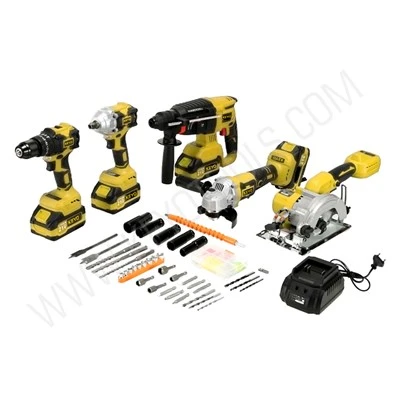
Let’s cut the fluff here. The short answer is: Yes, they’re safe if you use them right. But “use them right” isn’t just “don’t hammer nails with a drill bit.” It’s about knowing what makes cordless drills different from their corded cousins, the common mistakes people make that cause accidents, and how even a cheap cordless drill is way less dangerous than you think if you follow a few simple rules.
First, let’s talk about the big “scare” people throw around when they bring up cordless tools: battery fires. I get it—you’ve probably seen a viral TikTok of some guy’s drill battery blowing up on his workbench, or a Reddit thread about a garage fire started by a misused lithium-ion pack. But here’s the thing: Those stories are outliers. They almost always stem from two things: using a crappy off-brand battery, or abusing the battery beyond its designed limits. For context, lithium-ion (Li-ion) batteries, which power 99% of modern cordless drills, have built-in protection circuits that stop overcharging, overheating, and short-circuiting. The fancy, name-brand batteries we supply? We test every single one of them to make sure that circuit works—no exceptions. We’ve had customers send back used batteries for years that showed zero issues, but we still run our own stress tests because, well, safety isn’t something you leave to chance.
Compare that to corded drills, which are always plugged into a wall. The biggest safety hazard there is electrical shock. If you’re drilling outside in the rain, or you trip over the cord and yank the drill out of your hand, that’s a way bigger risk than anything a cordless drill will throw at you. Corded tools also generate more friction heat because they’re running constantly off line power—overheating a corded drill motor isn’t as rare as people think, especially if you’re using it for hours straight without letting it cool down. Cordless drills, on the other hand, have variable speed triggers and built-in torque control (most mid-to-high end models, anyway) that let you slow things down or stop instantly if something goes sideways. That’s a game-changer for newbies, honestly—you don’t have to wrestle a constant power stream the whole time you’re working.
Wait, but what about kickback? That’s the thing everyone’s heard about: when a drill bit snags on wood, metal, or whatever you’re drilling, the drill yanks itself out of your hand and spins fast, sometimes twisting your wrist or arm. Kickback happens with both corded and cordless drills, right? But here’s where cordless drills have a huge safety advantage for most people—their weight. A corded drill has that whole cord dangling and the weight of the power supply (or the big, heavy motor, back in the old days). Most modern cordless drills are half the weight of a comparable corded model. If a small, light drill snags and kicks, it’s way easier to hold on to than a bulky, 10-pound corded brick. I’ve seen contractors swap to cordless drills specifically because of kickback incidents on jobs where they had to drill dozens of holes in a single day. They came back saying they hadn’t had a single wrist tweak in months, whereas before they’d been getting them every other week with their old corded drills.
But hold up—don’t take that to mean cordless drills are 100% risk-free. There are a ton of avoidable mistakes that make people think they’re unsafe. Let’s run through the ones I see all the time, because these are the actual safety hazards, not the “battery blowups” that make the news.
First: Using the wrong bit. If you’re using a tiny drill bit meant for thin metal to drill a 2-inch hole through a cedar fence post, that bit is going to snag, and so are you. We get so many people ordering random bits online that don’t match their drill’s chuck size, or using old bits that are dull and bent. A dull bit doesn’t cut—it tears, and that’s when kickback hits hard. Dull bits also cause the drill motor to work way harder than it should, which overheats both the bit and the battery. That’s how you get a battery that gets too hot to touch, not because it’s defective, but because you’re forcing it to do work it wasn’t designed for.
Second: Ignoring drill limits. Every drill has a maximum torque rating, right? Torque is how much twisting power it has. If you’re using your drill to drive a 6-inch lag screw that needs way more torque than your drill’s max, two things happen: The drill’s clutch will slip (which saves the motor), but if you keep pushing, you’re not only risking stripping the screw, you’re also putting way too much strain on the chuck and the battery. We have a lot of DIYers who buy a super cheap, entry-level cordless drill for $50 from a big box store and try to do pro-level work with it. That’s not the drill’s fault—that’s user error. If you’re going to be doing heavy stuff like building a deck or drilling through concrete, you need a drill that’s rated for that work. We sell entry-level drills for hobbyists and heavy-duty ones for contractors, and that’s for a reason—you can’t use a toy drill for construction work, same as you can’t use a kid’s bike to go mountain biking.
Third: Poor battery storage. People leave their drill batteries in the drill, in a hot garage, or in their toolbox in the sun all day. Li-ion batteries hate extreme temperatures—both hot and cold. If you leave a battery in a garage that hits 120°F in the summer, that’s going to degrade it over time, and yes, it can make it more prone to overheating if you use it. We always tell customers to store their batteries at room temperature, and if you’re not going to use the drill for a while, take the battery out and keep it in a cool, dry spot. That’s not a random tip—it’s straight from the safety tests we run in our lab. We had a batch of batteries once that were stored in a warehouse where the AC went out for three days, and those batteries had a much higher failure rate than the ones kept at standard temp. That’s not a defect—that’s how Li-ion works.
Fourth: Not wearing basic safety gear. I know, I know—you’ve got a project to finish, you don’t want to stop to put on goggles or gloves. But drill chips (tiny wood or metal shavings) fly out of the bit at like 100 mph. I’ve had a customer come back to us saying he got a wood chip in his eye because he skipped goggles while drilling a bunch of holes for a birdhouse. That’s not the drill’s fault. Or gloves—loose gloves can get caught in the drill bit and yank your hand in. I always say: Tuck in your sleeves, remove loose jewelry, put on goggles, and skip the baggy hoodie when you’re drilling. Basic stuff, but 90% of the accidents I hear about are from people skipping these steps.
Wait, but what about Li-ion vs. old nickel-cadmium (NiCd) batteries? I’m sure some of you old-timers remember the old cordless drills from the 90s that had those big, clunky NiCd packs that leaked and got all crumbly. Those things were way more of a safety hazard than modern Li-ion packs. NiCd batteries had no built-in protection circuits, so if you overcharged them, they’d leak toxic gunk, or even catch fire. Li-ion changed that entirely. Now, even the cheapest cordless drill on the market comes with a basic protection circuit, because the tech is mature and the manufacturers know they have to make it safe to compete. We’ve been switching all our products to Li-ion for the last 5 years, and we haven’t had a single safety issue from a battery since we made the switch. The old NiCd days are long gone, and anyone who says cordless drills are unsafe because of old battery tech is stuck in the past.
Let’s also talk about maintenance, because that’s a huge part of safety. Do you clean your drill chuck regularly? If it’s caked in sawdust and grease, the bit won’t seat right, which can cause it to slip and break. Do you check the chuck key (if your drill uses one) before every use? Leaving the key in the chuck is a classic mistake—you pull the trigger, the key flies across the garage, and that’s how you get a injury. I can’t tell you how many times we’ve had to replace a chuck key that got forgotten, or a customer who said that almost hit them in the face. It’s 10 seconds to check—just twist the chuck, make sure no key is stuck, and you’re good. And don’t forget to oil the drill’s moving parts every few months if you’re using it a lot. A dry drill will overheat faster, and that’s a safety risk, not just a performance one.
Now, I know some of you are still thinking: But I’ve seen people use cordless drills for way more than drilling holes. They’re using them as screwdrivers, as sanders, even as hammers. Wait—hold up. If you’re using a drill outside its intended purpose, that’s when safety goes out the window. You shouldn’t use a drill to drive heavy screws nonstop, right? Most drills have a clutch that’s meant to stop the motor once the screw is tight, but if you’re driving 50 3-inch screws in 10 minutes, that motor is working way harder than it was designed to, and it can overheat. Same with sanding—putting a sanding disc on a drill and sanding a wall all day will make the drill motor burn out. That’s not a safety flaw in the drill—that’s misusing it. Tools have specific jobs, and if you try to turn a drill into something it’s not, you’re asking for trouble.
Let’s get real for a second. The people who get hurt using cordless drills are the ones who treat them like toys, or who skip the basic steps of using any power tool. A cordless drill is just a tool—same as a hammer, a saw, or a power washer. Tools can be dangerous if you don’t know how to use them, but they’re way safer than they get credit for, especially the modern cordless models we sell.
We’ve been supplying cordless drills for contractors and DIYers for years, and our biggest pride isn’t just getting a drill to someone—it’s making sure that drill is built to last and safe to use. Every drill we send out goes through three rounds of safety checks: first when it’s assembled, then when we test it in our lab, and again before it’s packed for shipping. We don’t cut corners on parts, and we never sell a drill that doesn’t meet ANSI safety standards (that’s the American National Standards Institute, for anyone who doesn’t know—they set the rules for power tool safety).
If you’re still on the fence about switching to a cordless drill, let’s recap: They’re safer than corded drills for most jobs because they’re lighter, no risk of electric shock from a dangling cord, and have built-in safety features like variable speed and torque control. The only real hazards are user error—using the wrong bit, misusing the drill, skipping safety gear, or bad battery storage. All of those are easy to fix with a little common sense.
If you’re looking to upgrade your tools, or need bulk drills for your crew, hit us up to talk through what you need. Whether you’re a DIYer working on your first deck or a contractor needing drills for a whole job site, we can help you pick the right model that’s safe for your work and fits your budget.
At the end of the day, cordless drills are one of the safest, most versatile power tools you can own. You just have to respect them—same as any other tool. Stop overthinking the safety stuff, and start using your drill right.
Cordless Power Tool References:
- Occupational Safety and Health Administration (OSHA) – Power Tool Safety Guidelines, 2022
- International Electrotechnical Commission (IEC) – Safety Requirements for Cordless Portable Electric Tools, 2021
- Battery University – Lithium-Ion Battery Safety and Handling, 2023
- ANSI Standard O1.9-2018 – Safety Requirements for Portable Electric Drills and Drivers
Chongqing Jinswell Tech Co., Ltd.
As one of the most professional cordless drill manufacturers and suppliers in China, we’re featured by quality products and low price. Please rest assured to wholesale bulk cheap cordless drill from our factory. Welcome to contact us for customized service and OEM&ODM service.
Address: No.59, Hongjin Road, Liangjiang New Area, Chongqing, China
E-mail: sales@keyotools.com
WebSite: https://www.keyotools.com/
