As a distributor of distribution panelboards, I’m acutely aware of the environmental impact associated with their disposal. In an era where sustainable practices are not just a preference but a necessity, it’s crucial that we, as suppliers, lead by example in ensuring that our products are disposed of in an eco – friendly way. This guide aims to shed light on the methods and reasons behind such disposal practices. Distribution Panelboards
Understanding the Components of Distribution Panelboards
Before diving into the disposal methods, let’s first understand what a distribution panelboard is made of. A distribution panelboard is a critical component in electrical systems, responsible for distributing electrical power to different circuits. It consists of a metal enclosure, typically made of steel or aluminum, which protects the internal components. Inside, there are circuit breakers, fuses, busbars, and various wiring.
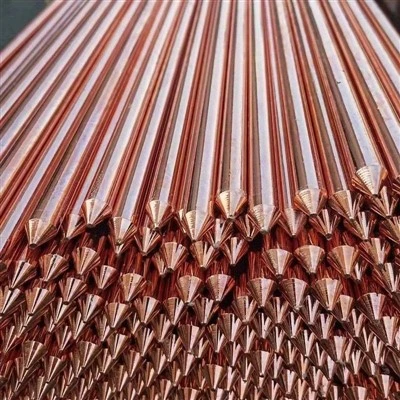
The circuit breakers often contain plastics, metals, and in some cases, small amounts of hazardous materials such as cadmium or lead. These hazardous substances can pose a threat to the environment if not properly handled. The busbars are usually made of copper or aluminum, which are valuable and recyclable metals. The wiring is also composed of copper conductors and plastic insulation.
Why Environmentally – Friendly Disposal is Important
The environmental impact of improper disposal of distribution panelboards is significant. Dumping them in landfills can release toxic substances into the soil, water, and air. For example, lead can contaminate groundwater, which is a major source of drinking water for many communities. Inhalation or ingestion of lead can cause serious health problems, especially in children, including learning disabilities and behavioral disorders.
Moreover, many of the materials used in distribution panelboards are non – renewable resources. Metals like copper and aluminum require a large amount of energy to extract and refine from their ores. By recycling these materials from old panelboards, we can reduce the demand for new mining and the associated environmental degradation. Recycling also saves energy, as reprocessing recycled metals consumes significantly less energy compared to producing new metals.
Step – by – Step Guide to Environmentally – Friendly Disposal
1. Assessment and Classification
The first step in the environmentally – friendly disposal of distribution panelboards is to conduct a thorough assessment. Determine the age, condition, and the components of the panelboard. Identify any hazardous materials, such as those containing asbestos (in older models), cadmium, or lead. Classify the panelboard based on its material composition and the presence of hazardous substances.
2. Dismantling
Once the assessment is complete, the panelboard should be carefully dismantled. This process should be carried out by trained personnel to ensure safety. Start by removing the outer metal enclosure. This can be done using appropriate tools such as screwdrivers and wrenches. Next, remove the circuit breakers, fuses, and busbars. Separate the different components by material type, such as metals, plastics, and ceramics.
3. Recycling Metals
Copper and aluminum, the main metals used in panelboards, are highly recyclable. Contact local recycling centers that specialize in metal recycling. Many recycling facilities have advanced technologies to extract and purify these metals. For example, copper can be melted down and reused to make new wiring, while aluminum can be recycled into new enclosures or other aluminum products.
4. Handling Hazardous Components
Circuit breakers and other components that contain hazardous substances must be handled with extreme care. Local environmental regulations often require specific disposal methods for these materials. Some hazardous components can be sent to specialized treatment facilities where the toxic substances are removed or neutralized. For example, cadmium can be extracted and processed in a way that it can be reused or safely stored.
5. Recycling Plastics
The plastic insulation of wiring and other plastic parts in the panelboard can also be recycled. There are plastic recycling facilities that can process different types of plastics. However, it’s important to note that not all plastics are easily recyclable. Some plastics may require advanced separation and treatment processes. Before sending the plastics to a recycling center, make sure they are properly sorted according to their resin type.
6. Proper Documentation
Throughout the disposal process, it’s essential to keep detailed documentation. This includes records of the dismantling process, the quantity and type of materials sent for recycling, and the disposal of hazardous components. Proper documentation not only helps in complying with environmental regulations but also provides transparency in the disposal process.
Collaboration with Environmental Organizations
As a distribution panelboard supplier, we can play an active role in promoting environmentally – friendly disposal by collaborating with environmental organizations. These organizations have the expertise and resources to provide guidance on best practices. They can also help in raising awareness among our customers about the importance of proper disposal.
One way to collaborate is to participate in e – waste collection drives organized by environmental groups. By providing a collection point for old panelboards, we can ensure that more products are diverted from landfills and are disposed of in an environmentally – friendly way. Additionally, we can sponsor research projects on sustainable disposal methods, which can lead to the development of new and more efficient recycling technologies.
Educating Customers
Another crucial aspect of promoting environmentally – friendly disposal is educating our customers. Many end – users may not be aware of the proper way to dispose of distribution panelboards. We should provide clear instructions on our websites, product manuals, and through customer support channels.
For example, we can create brochures that explain the environmental impact of improper disposal and the steps involved in eco – friendly disposal. We can also offer training sessions for our larger customers, such as industrial facilities or construction companies, to ensure that their employees are well – informed about the proper handling and disposal of panelboards.
The Business Case for Environmentally – Friendly Disposal
Apart from the environmental benefits, there are also business advantages to promoting environmentally – friendly disposal. In today’s market, consumers are increasingly conscious of the environmental impact of the products they purchase. By demonstrating our commitment to sustainable practices, we can enhance our brand image and gain a competitive edge.
Moreover, as environmental regulations become more stringent, companies that adopt eco – friendly disposal methods are less likely to face legal issues and fines. By proactively managing the disposal of our products, we can ensure long – term compliance and avoid potential disruptions to our business.
Conclusion
As a distribution panelboard supplier, we have a responsibility to not only provide high – quality products but also to ensure that they are disposed of in an environmentally – friendly way. By understanding the components of panelboards, following proper disposal procedures, collaborating with environmental organizations, and educating our customers, we can make a significant contribution to environmental protection.
Copper Cable Lug If you are interested in purchasing high – quality distribution panelboards from a supplier that is committed to sustainability, we invite you to contact us for a procurement discussion. We look forward to working with you to meet your electrical distribution needs while also protecting our planet.
References
- "Electrical Equipment Recycling: Best Practices and Technologies" – Journal of Sustainable Energy and Environmental Management.
- "Environmental Impact of E – Waste Disposal" – Environmental Science and Technology.
- "Recycling of Metals in Electrical Systems" – Proceedings of the International Conference on Metals Recycling and Sustainability.
Wenzhou Lanen Electrical Co., Ltd.
Wenzhou Lanen Electrical Co., Ltd. is one of the most professional distribution panelboards manufacturers and suppliers in China, also supports customized service with low price. Please feel free to buy CE approved distribution panelboards made in China here from our factory. Contact us for more discount information.
Address: Zhiguang Liushi Town Yueqing City Wenzhou City Zhejiang Province
E-mail: lanen@luyele.cn
WebSite: https://www.lanenelectrical.com/
