If you’ve ever stood next to a steel mill (or even just seen a raw stainless steel sink or a car door panel), you’ve probably seen one of the most unglamorous, make-or-break parts of metallurgy: ferroalloys. Most folks know the big names—like ferromanganese or ferronickel, the ones everyone rattles off in intro metal classes. But I run a small ferroalloy supply company, and let me tell you, the “other” ferroalloys? They’re the quiet workhorses that turn good metal into great metal. Other Ferroalloy

I don’t mean to diss the big guys—ferromanganese fixes brittleness, ferronickel makes stainless steel rust-resistant—they earn their spot. But if you ask any metallurgist worth their salt, the stuff we sell (the uncelebrated other ferroalloys) is where a lot of the magic happens. Let’s break this down like we’re chatting over a coffee at a trade show, not writing a textbook.
First, let’s get one tiny detail out of the way fast: what even counts as “other” ferroalloys? I’m not talking about random rock dust here. Ferroalloys are basically alloys made by mixing iron with one or more other elements, smelted in furnaces, added to molten metal to tweak its chemistry mid-process. The “big three” (if you will) are iron, manganese, chromium, nickel, so the “other” stuff is everything else in that category: ferrovanadium, ferromolybdenum, ferrotitanium, ferroniobium, ferrosilicon that’s super high-purity, even the obscure ones like ferrozirconium or ferrotungsten. We’re not making rocket fuel—wait, actually, some of this does go to rockets, but we’ll get there.
Most folks don’t realize that when a metal maker pours molten steel, it’s not just iron and carbon. It’s got little impurities—like sulfur, which makes steel crumbly when it’s hot, or oxygen, which causes bubbles that weaken it. The other ferroalloys are the fixers for those tiny, messy problems. Let’s start with deoxidizers, because that’s one of their biggest jobs. You add something like aluminum to deoxidize, but if you need more precision, ferrosilicon (the high-grade, not the generic stuff) or ferrovanadium come in. Wait, ferrovanadium is also for strength—think of a car’s crankshaft, that part that twists to make wheels turn. It needs to be tough enough not to snap after a million rotations. Vanadium from our ferrovanadium adds grain refinement, so the steel’s internal structure is tighter, less likely to crack.
Then there’s the stuff that makes metal stand up to extreme conditions. Molybdenum is a big one for us—ferromolybdenum, that’s our number one seller, honestly. If you’re making oil and gas pipeline steel, it has to hold up to saltwater, pressure, even acidic fumes. Add a splash of ferromolybdenum, and suddenly that steel isn’t just strong—it’s corrosion-resistant enough to last 50 years in the Gulf of Mexico instead of 10. We also ship a ton of ferrotitanium to the aerospace crowd. Jet engine components get super hot, like 1,500 degrees Fahrenheit, and titanium in ferroalloy form stops the steel from warping. Last year we had a small order from a rocket parts manufacturer, and let me tell you, that’s when you realize we’re not just selling metal dust—we’re selling parts that take humans to space.
Wait, let’s not sleep on the less flashy stuff, like ferrosilicon. People think silicones and glass are silicon’s main gig, but ferrosilicon is everywhere in casting. When a foundry makes engine blocks or manhole covers, they add ferrosilicon to make the iron gray—gray iron is way easier to machine than white iron, and it dampens vibration, so your car’s engine doesn’t rattle itself apart. Yeah, manhole covers. That’s another one. The ones you step on every day? We might have helped make them last longer than that coffee you’re drinking right now.
I get why the big ferroalloys get all the press. Chromium is the star of stainless steel—you can’t make a sink without it. But if you mess up the ratio of “other” add-ins, your stainless sink might rust anyway. Let’s say you’re making 304 stainless, the most common kind. You need chromium for rust resistance, nickel for flexibility, but a little ferromolybdenum pushes it to 316 stainless, the stuff marine equipment uses. Without that extra molybdenum, that boat prop would corrode in salt water in a year instead of a decade. It’s all about the small percentages—we’re talking 0.1% to 5% of the total metal batch. But when you’re making 100 tons of steel, that 0.5% is 500 pounds. Suddenly our tiny ferroalloy shipment is a huge part of a project.
Now, let’s talk about what makes these “other” ferroalloys different from the generic stuff. A lot of suppliers sell low-grade ferrosilicon, but that’s not what we do. We specialize in the higher-purity grades, because impurities in our product mess up the end metal. If we sell ferrovanadium with 0.5% extra sulfur, that sulfur makes the steel brittle when it’s hot—so the steel maker’s crankshaft breaks on their line, and that’s a bad look for everyone. We test every batch, we track where every kilo goes, because there’s zero room for error. Metallurgy isn’t guesswork; it’s math, and the right ferroalloy is the variable that makes the math work.
I’ve been doing this for 12 years now, and the fun part is learning all the weird, unexpected places our product ends up. Last year we sent a pallet of ferroniobium to a company that makes high-strength structural steel for skyscrapers. Ferroniobium refines the steel’s grain so much that the columns holding up a 100-story building can be 20% thinner, which saves on steel and makes the building lighter—better for the foundation, better for the environment. Another time, we shipped ferrotungsten to a tool maker that makes drill bits for oil rigs. Tungsten is super hard, so that drill bit can grind through rock 2 miles below the surface without wearing out. That’s our job, right? Connecting the smelters who make the ferroalloys to the metal makers who need them, and making sure every batch is exactly what they ask for.
But here’s the thing that most people outside the industry don’t get: metallurgy is always evolving. The push for electric vehicles means new kinds of steel—like ultra-high-strength steel for car frames that’s lighter than regular steel but safer in a crash. That requires a mix of ferromanganese, but also tiny amounts of ferrotitanium and ferrovanadium to tweak the strength-to-weight ratio. The renewable energy boom? Wind turbine towers need steel that can handle 100 mph winds, ferocious waves, and 20 years of salt spray. That’s ferromolybdenum again, plus a touch of ferronickel, to keep the tower from rusting halfway across the ocean. Even batteries—wait, some ferroalloys go into battery components, too, as part of the steel casings and conductive parts. It’s not just steel, either; aluminum alloys for bikes and planes use small amounts of ferrotitanium to make them stronger without adding weight.
I don’t want this to sound like a sales pitch, but here’s the truth: if you’re a metallurgist, a metal maker, a foundry owner, even someone designing new parts for cars or wind turbines, you can’t afford to ignore the “other” ferroalloys. Sure, you can get by with ferromanganese and ferronickel for some projects, but when you need something that’s tough, corrosion-resistant, precise, and built to last? You need the right ferrovanadium, the right ferromolybdenum, the right stuff.
Let’s be real: most of these products don’t end up in commercials or Instagram posts. No one posts a selfie with a manhole cover and says “I helped make this with ferrosilicon!” No one raves about a jet engine part that doesn’t warp because of ferrotitanium. But that’s exactly why they matter. They’re the behind-the-scenes parts that keep our cars running, our buildings standing, our planes flying, and our energy infrastructure working.
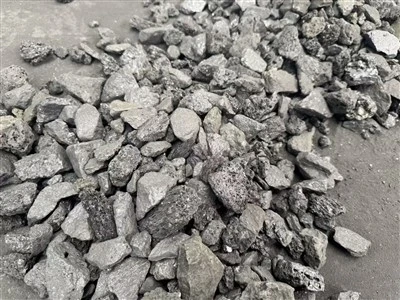
If you’re someone who needs reliable, high-quality “other” ferroalloys—stuff that’s tested, consistent, and shows up on time—hit me up. I know the ins and outs of these products, I can help you figure out exactly what you need, whether you’re making a batch of specialty stainless steel, wind turbine parts, or something totally new. We’re not the biggest supplier out there, but we care more about getting your order right than any big corporate firm does. Just reach out when you’re ready to chat about your next project.
Si Slag Series Products References:
- ASM International. (2019). Ferroalloys: Production, Applications, and Environmental Aspects.
- The World Steel Association. (2022). Metallurgy of Alloyed Steels: The Role of Minor Alloying Elements.
- Nikkhah, S., & Karimi, M. (2021). Effects of Minor Ferroalloy Additions on Microstructure and Mechanical Properties of High-Strength Low-Alloy Steels. Journal of Materials Engineering and Performance.
- International Nickel Study Group. (2020). Minor Ferrous Alloys: Global Supply, Demand, and Industrial Applications.
- Aerospace Industries Association. (2023). Materials Science for Commercial Aerospace Components: Ferroalloy Contributions to High-Temperature Alloys.
Anyang Baitengxin Metal Co., Ltd.
As one of the most professional ferroalloy manufacturers in China, we have world-leading production equipment and strong manufacturing capabilities. Please feel free to buy high quality ferroalloy for sale here from our factory. Good service and reasonable price are available.
Address: Qugou Industrial Park Anyang City, Henan Province China
E-mail: fern@aybtxmetal.com
WebSite: https://www.aybtx-metal.com/
