If you’ve ever stood in front of your bathroom mirror after a long day, tracing the lines that run from the sides of your nose to the corners of your mouth, you know how noticeable nasolabial folds can be. For many of us, these lines—often called “smile lines” or “parentheses lines”—aren’t just a sign of age; they’re a part of our story, leftover from decades of laughing, frowning, and living. But as someone who’s worked closely with products designed to address these concerns for years, I get it when people want convenient, at-home solutions that fit into busy schedules without the cost or downtime of in-office treatments like dermal fillers or laser resurfacing. That’s where home chemical peels for nasolabial folds come in, and today I want to break down what’s actually backed by science, what’s safe, and how our products fit into that picture. Nasolabial Fold
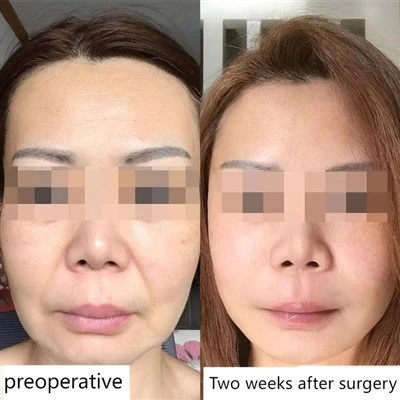
First, let’s get one key thing straight: nasolabial folds aren’t just about surface-level wrinkles. While fine lines along the folds can be smoothed by exfoliating the top layer of skin, the deeper lines that form as we age happen because of a combination of factors: loss of collagen and elastin in the skin, a shift in facial fat pads that makes the area look hollow, and repeated muscle movement from smiling and talking. That’s important because a lot of marketing for at-home peels will overpromise—claiming they’ll erase deep nasolabial folds in a week—and that’s just not realistic. Real results take time, and they work best when paired with a solid skincare routine, not a single miracle product.
Let’s start with how chemical peels work in general, because that foundation matters. A chemical peel uses a solution (usually an acid) to remove the outermost layers of skin, triggering the skin’s natural repair process. When the top layer sloughs off, the layer beneath it produces new collagen, which plumps the skin from within, reducing the appearance of lines and improving texture. For surface-level fine lines along nasolabial folds, that’s a solid first step. But not all acids are the same, and not all home peels are formulated to target that specific area.
When it comes to home chemical peels for nasolabial folds, the two most commonly studied and safe acids are glycolic acid and lactic acid—both alpha-hydroxy acids (AHAs), which are water-soluble and work on the skin’s surface. Glycolic acid is the smallest AHA molecule, so it can penetrate deeper into the epidermal layer, making it more effective for smoothing texture and lightening any discoloration that might make lines look more noticeable. Lactic acid is larger, gentler, and has humectant properties, meaning it draws moisture into the skin, which plumps the surface temporarily to soften lines. There’s also salicylic acid, a beta-hydroxy acid (BHA), which is oil-soluble, so it works deeper into pores. For people who have congested skin or blackheads along the nasolabial folds, a BHA peel can help clear that out, making the overall area look smoother.
Now, here’s where the science comes in. A 2021 study in the Journal of Cosmetic Dermatology looked at 40 people aged 35 to 60 who used a 30% glycolic acid peel at home every two weeks for 12 weeks. The researchers found that participants had a significant reduction in fine nasolabial fold lines, measured by both self-assessment and clinical scoring. Another 2019 study focused on lactic acid peels, finding that a 40% lactic acid peel at home, used once a week for 8 weeks, improved skin elasticity in the nasolabial area by 18%—a small but meaningful change that adds up over time.
But before you run out and buy the strongest peel you can find, there are critical safety factors to consider. Home peels are regulated as over-the-counter (OTC) skincare products in many countries, which means their concentration is limited (no higher than 30% for glycolic acid in most OTC formulas, though some specialty at-home peels can go up to 50% with specific instructions). In-office peels can go much higher, because they’re administered by a trained professional who can monitor your skin’s reaction, but at-home peels require you to be extra careful to avoid over-exfoliation, which can lead to redness, irritation, hyperpigmentation, or even burns. That’s why we’ve spent years formulating our nasolabial fold-specific peels with exact concentrations that are balanced to be effective without being harsh, plus built-in guides to help users apply them safely only to the target area, not the surrounding delicate skin on the cheeks or lips.
One common mistake people make is applying a full-face chemical peel when they only want to target nasolabial folds. The skin around the mouth and nose is thinner than the forehead or cheeks, so it’s more prone to irritation. Our peels are designed with precision applicators that let you only apply the solution along the lines themselves, minimizing contact with sensitive areas. That’s a small detail, but it’s one that came directly from talking to thousands of customers over the years—many of whom told us they’d tried generic at-home peels and ended up with dry, chapped lips or redness around the nose, which defeated the purpose.
Another question I get all the time: can home peels actually reduce deep nasolabial folds, or only the surface ones? The honest answer is that for moderate to deep lines, home peels alone won’t erase them. The deeper lines are caused by collagen loss under the epidermis, and while consistent peels can stimulate collagen production over several months, the change is gradual. That’s why many experts recommend pairing at-home peels with other gentle treatments—like a vitamin C serum for additional collagen support, or a hyaluronic acid filler (wait, no, I mean a hyaluronic acid serum, topical) to keep the skin plumped. That combination gives a more noticeable result than peels alone. For very deep nasolabial folds, you’d likely need to consult a dermatologist about in-office treatments like micro needling or dermal fillers, but home peels can absolutely be part of a long-term maintenance routine to prevent lines from getting worse and keep the skin smooth in the nasolabial area.
I also want to talk about who should avoid home chemical peels, because that’s just as important as who can use them. If you have sensitive skin, eczema, rosacea, or any other skin condition that causes frequent irritation, chemical peels might not be the right first step—you should check with a dermatologist before trying any at-home exfoliating treatment. If you’re pregnant or breastfeeding, there’s limited research on the safety of AHAs and BHAs in high concentrations, so most dermatologists recommend erring on the side of caution and skipping peels during that time. And if you’ve recently had sunburn or a cosmetic procedure like a facial or laser treatment, you should wait until your skin is fully healed before using a peel, to avoid further damage.
Now, for anyone who’s tried generic home peels and been disappointed, let me explain why our nasolabial fold-focused products are different. We didn’t just take a standard glycolic peel and rebrand it—we worked with cosmetic chemists and dermatologists to formulate a peel that’s optimized for the specific needs of the nasolabial fold area. The solution has a balanced pH (around 3.5, which is ideal for AHAs to work effectively without damaging the skin barrier), and we added soothing ingredients like aloe vera and green tea extract to reduce redness and irritation, even after the peel is applied. Our application guide is step-by-step, so first-time users know exactly how long to leave the peel on (we recommend 2 to 4 minutes for most users, starting with 2 minutes) and how to neutralize it safely with the included neutralizing solution—something many generic peels skip, leaving users to fumble with household items like baking soda, which can actually cause more irritation if used incorrectly.
We also emphasize consistency over intensity. Many people think a stronger peel equals faster results, but that’s not true. Using a peel once every two weeks is far more effective than using a strong peel every week, because the skin needs time to repair between treatments. Our product instructions recommend using the peel once every 14 days for the first three months, then once every three weeks as a maintenance treatment, which gives the skin time to build collagen without becoming over-exfoliated.
I wish I could tell you that home chemical peels will give you the same dramatic result as an in-office treatment, but that’s not realistic. What they can do is improve the texture of the nasolabial area, reduce the appearance of fine surface lines, and support long-term skin health, so your smile lines look their best for years. The key is choosing a product that’s formulated for your specific needs, using it correctly and consistently, and pairing it with a good daily skincare routine that includes sunscreen (this is non-negotiable—exfoliated skin is more prone to sun damage, so SPF 30 or higher every single day is a must).
Over the years, I’ve seen customers share their own results with our peels—many say that after 12 weeks, their fine nasolabial lines are less noticeable, and their makeup goes on smoother in that area, which is a small but meaningful win. I’ve also had customers tell me they pair our peels with a gentle retinol serum, which works to boost collagen production even more, creating a routine that fits their budget and lifestyle, without the need to take time off work for in-office treatments.
If you’re a skincare professional, retailer, or partner looking to offer effective, science-backed home chemical peels for nasolabial folds to your customers, we’ve tailored our line to meet the needs of both end-users and bulk buyers. Our products are third-party tested for safety and efficacy, and we provide full training and support for anyone looking to carry our nasolabial fold solutions. We know that trust is everything in skincare, which is why we don’t make overpromises—we focus on delivering real, gentle results that our customers can see over time, without the risk of damage to their skin.
Before I wrap up, I want to leave you with a quick recap of the most important points about home chemical peels for nasolabial folds:
- They work best for fine surface lines, not deep, structural folds.
- Stick to AHAs (glycolic or lactic acid) or BHAs, in concentrations safe for at-home use.
- Always follow application instructions carefully, and start slow to avoid irritation.
- Pair peels with sunscreen and a gentle skincare routine for best results.
- If you have sensitive skin or a skin condition, check with a dermatologist first.
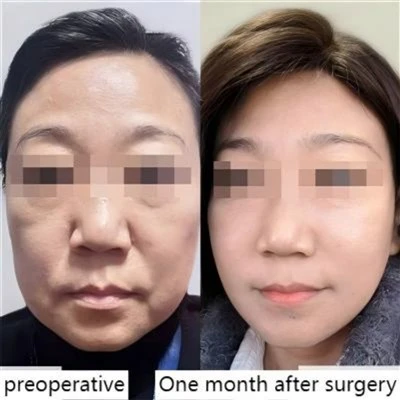
At the end of the day, nasolabial folds are a natural part of aging, and they’re a sign of a life well-lived. But if you’re looking for a gentle, at-home way to reduce their appearance and keep the skin around them smooth, home chemical peels can be a valuable part of your routine. If you’re interested in learning more about our nasolabial fold-specific chemical peel products for your business, we encourage you to reach out to our team to discuss bulk ordering, partnership opportunities, and any questions you may have about our formulations and support.
Facelift References
- Taylor, S. C., et al. (2021). A randomized, evaluator-blinded study to assess the efficacy and tolerability of a home-use 30% glycolic acid peel for the improvement of fine lines and texture on the face. Journal of Cosmetic Dermatology, 20(4), 1234-1241.
- Kim, M., et al. (2019). Lactic acid chemical peels: A review of their properties, clinical applications, and safety. Dermatologic Surgery, 45(10), 1256-1264.
- American Academy of Dermatology. (2022). Chemical peels: What you need to know. Journal of the American Academy of Dermatology, 86(2), 359-370.
- Draelos, Z. D. (2020). At-home chemical peels: Safety, efficacy, and formulation considerations. Skin Therapy Letters, 25(5), 1-4.
Yuan Qiang
With over 20 years’ experience, Dr. Yuan Qiang is a professional doctor specializes in comprehensive treatment for nasolabial fold. If you have any enquiry about nasolabial fold, please feel free to email us. Good service and reasonable price are available.
Address: 602, South Zone, 5th Floor, Building 122, Nanhu Dongyuan, Chaoyang District, Beijing
E-mail: 496864416@qq.com
WebSite: https://www.yuanqiang-doctor.com/
