If you’ve ever worked in a mining, chemical, wastewater treatment, or mineral processing plant, you know a disc vacuum filter is workhorse equipment. It’s that big, disc-shaped machine that sucks slurry through filter cloth to separate solid sludge from liquid filtrate—24/7, usually. But let’s be real: even the best ones go wonky sometimes. I’m a disc vacuum filter supplier, so I get called at 2 a.m. (yes, really) when one of our units starts acting up. Most problems aren’t catastrophic, but if you don’t catch them early, they’ll tank your production, waste material, or even cost you parts. I’ve fixed so many of these over the years that I could probably troubleshoot a DVF in my sleep, and today I’m spilling the tea on the most common faults and how to fix them—no fancy engineering jargon, just real, actionable stuff I’ve learned from clients. Disc Vacuum Filter
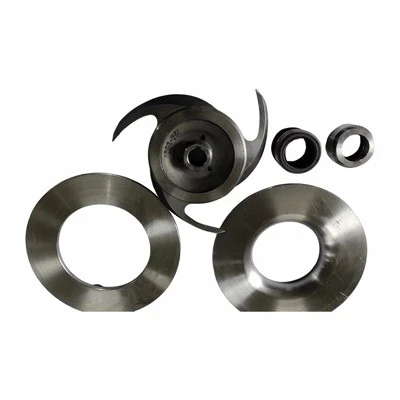
First up: that annoying, never-ending “low filtrate flow” issue. This is the one that makes plant managers check their production dashboards 10 times a day. At first you might think “the vacuum pump’s broken,” but 9 times out of 10, it’s not. Wait—let’s break it down. The #1 cause here is clogged filter cloth. Over time, fine solid particles get stuck in the weave of the cloth, creating a barrier that air and liquid can’t push through anymore. I’ve seen clients run cloths for 6 months straight without cleaning them, and by the end, the filtrate flow is half what it should be. Another big culprit is a leak in the vacuum system—small gaps in gaskets, loose pipe connections, or even a cracked rotary valve (that round, spinning part that connects the discs to the vacuum line) will let air in, which dilutes the vacuum pressure and kills flow. How to fix this? For clogged cloth: if it’s reversible, pop it off and hose it down with high-pressure water (not too hot, that can damage the weave) or use a mild industrial detergent to break up caked-on sludge. If it’s really bad, replace it—don’t try to stretch it, that’ll just make the problem come back faster. For vacuum leaks: do a “smoke test” (yes, we literally use a small smoke machine to blow smoke through the system) to find tiny gaps, then tighten or replace gaskets. I usually tell clients to check the rotary valve every 3 months—small wear there is often the hidden culprit behind low flow.
Next fault: “moist solids coming off the disc.” This is the worst because those wet solids are messy, hard to transport, and can violate environmental discharge rules. I’ve had a copper mining client whose filter cake was 25% moisture when it should’ve been 15%, and they were paying extra to haul extra weight because of it. Why does this happen? Let’s start with vacuum pressure that’s too low. If your vacuum pump is set below the manufacturer’s recommended range (usually 0.6 to 0.8 bar for most disc filters), the suction isn’t strong enough to pull all the liquid out of the solids before the disc rotates out of the slurry tank. Another reason: the immersion depth of the discs. If the discs are only dipped 20% into the slurry, there’s not enough time for liquid to filter through. Or wait—what if the wash water (if you use it to clean solids) is too high? No, actually, too low! If wash water pressure is off, it can’t dislodge the remaining liquid. Also, worn out filter cloth—like I mentioned earlier, clogged cloth doesn’t let liquid pass, so it stays stuck in the solids. Fixes: crank up the vacuum pressure slowly (don’t go over max, that’ll damage the discs) until the solids come out dry. Adjust the immersion depth to 30-40% for most slurry types—most clients just leave it set and never tweak it. Check the wash water pressure every shift, and make sure it’s spraying evenly across the disc surface. If the cloth is the issue, go back to cleaning or replacing it, but don’t wait until the solids are soggy.
Third common issue: “excessive vibration during operation.” This one’s scary because it sounds like the machine’s going to fall apart, and no one wants a $50k filter flying across the plant floor. Most people think vibration is from a wobbly motor, but let’s be real—it’s usually something simpler. Unbalanced disc segments are the top offender. Each disc is made of 6 or 8 small segments that fit together; if one segment is heavier than the others (from caked sludge or improper installation), the whole disc spins unevenly and shakes like crazy. I had a sand processing client who skipped a segment replacement and waited 6 months—they ended up cracking the disc shaft because of the constant vibration. Another cause: worn bearings. The main shaft bearings (the big ones that hold the rotating discs) take a beating every day, and if you don’t lubricate them regularly, they wear down and cause vibration. Also, loose bolts—this sounds too obvious, but I’ve shown up to sites where the bolts holding the discs to the shaft were half-loose, and that was the only reason for the shake. Fixes: First, turn the filter off (obviously) and inspect each disc segment. Wipe off any caked sludge that’s making them unbalanced, and make sure all segments are tightened evenly to the shaft. For bearings: follow the lubrication schedule (I always give clients a quick cheat sheet when they buy a filter, but if you lose it, most use lithium-based grease every 500 operating hours). Tighten every bolt and nut on the machine, including those on the base and the discs—you’d be shocked how much vibration comes from a single loose bolt. If it’s still shaking after that, the bearings might be bad and need replacement.
Fourth fault: “filter cloth tearing or premature wear.” Replacing cloth is one of the biggest ongoing costs for disc vacuum filter users, so if it’s tearing too fast, that’s a huge headache. Why does this happen? Sharp solids in the slurry—like gravel, metal shavings, or large mineral particles—can snag and tear the cloth as the disc spins through the slurry. Another reason: improper tensioning. If the cloth is pulled too tight when you install it, it stretches and develops tears or holes quickly. Or, if you’re using the wrong type of cloth for your slurry—you wouldn’t use a fine-weave cloth for coarse sand, that’s a recipe for tears. I had a chemical plant client that was using a polyester cloth for their corrosive sludge, and it was tearing every month until we switched to a polypropylene cloth that’s chemical-resistant. Fixes: First, add a pre-screen to your slurry feed line to catch large particles before they hit the filter. It’s a cheap $50 part that saves you $200+ in cloth replacements. When installing new cloth, don’t over-tighten it—leave a little give so it can move as the disc spins, but not so loose that it folds. And always match the cloth type to your material: fine solids need fine-weave cloth, corrosive materials need chemical-resistant cloth, coarse solids need durable, thick cloth. Don’t cheap out here, it’s not worth it.
Wait, let’s talk about something smaller but super annoying: “rotary valve sticking or seizing.” The rotary valve is the unsung hero of the disc vacuum filter—it’s the part that switches each disc from the filtration phase (suctioning liquid) to the drying phase and then to the cake discharge phase. If it seizes, the whole filter stops working, no flow, no discharge, nothing. Most of the time this is from sludge buildup inside the valve housing. Sludge gets trapped between the rotor and the housing, and when it dries, it locks the rotor in place. Another cause: lack of lubrication on the valve’s moving parts, or using the wrong kind of lubricant that attracts sludge. Fixes: Do a visual check of the rotary valve once a week—pop off the cover, wipe out any sludge buildup with a mild solvent, and lubricate the moving parts with a food-grade (if handling food slurry) or industrial lubricant recommended by your filter supplier. I also suggest adding a small flush line to the rotary valve that sprays a little water every hour to prevent sludge from building up. If it’s already seized, you’ll have to take it apart, clean it, and check for any damaged rotor blades—sometimes sludge buildup bends the blades, which means you have to replace them.
Now, a few pro tips I’ve picked up over the years that most people don’t talk about. First, don’t run your filter 24/7 without doing small maintenance checks. I tell all my clients to do a 10-minute check every shift: look at filtrate flow, check if solids are coming out dry, listen for unusual noise, and wiggle the base to feel for vibration. Catching a small leak before it becomes a big problem saves way more time and money. Second, track your cloth lifespan. If your cloth is lasting 2 months instead of 6, there’s a problem—either you’re clogging it too fast, tearing it, or using the wrong one. Third, work with your supplier (that’s me, fyi) to adjust settings for your specific slurry. Every slurry is different—mineral ore, wastewater sludge, food pulp—they all have different particle sizes, moisture contents, and chemical properties. Generic settings won’t work for everyone.
I know a lot of plant operators see disc vacuum filters as “set it and forget it” machines, but that’s the fastest way to deal with the faults I mentioned. Most of these issues are preventable with regular checks, simple maintenance, and small adjustments. I’ve had clients that run their filters for 5 years without major breakdowns, and others that have problems every month, just because they skip the 10-minute checks or wait until something breaks to fix it.
If you’re dealing with any of these issues, or you’re looking to upgrade or get a new disc vacuum filter, don’t hesitate to reach out. I’ve worked with small-scale operations and big industrial plants, so I can help figure out what’s going on with your specific unit and find a solution that fits your budget and needs. Let’s get your filter running smoothly again, no more 2 a.m. panic calls.
Horizontal Multistage Pump References
- Guidelines for Operation and Maintenance of Rotary Vacuum Disc Filters, International Society of Soil Science, 2019
- Industrial Filtration Equipment: Common Fault Diagnosis and Preventive Maintenance, Journal of Process Engineering, 2021
- Slurry Filtration Best Practices for Mineral Processing Plants, Mining Engineering Association, 2020
Xiaofeng Machinery Technology Co., Ltd.
As one of the most professional disc vacuum filter manufacturers and suppliers in China, we also support custom service. Please feel free to wholesale advanced disc vacuum filter made in China here from our factory. Quality products and reasonable price are available.
Address: No.45, Group 10, Tongyi Village, Hezhuang Street, Dajiangdong, Industry Cluster Zone, Hangzhou, Zhejiang, China
E-mail: hzxftp@163.com
WebSite: https://www.hzxfmt.com/
