Hey there, it’s Jake from the aluminum windows team. Today I’m answering one of the most common questions I get from homeowners, contractors, and even architects: Are aluminum windows durable? Aluminum Windows
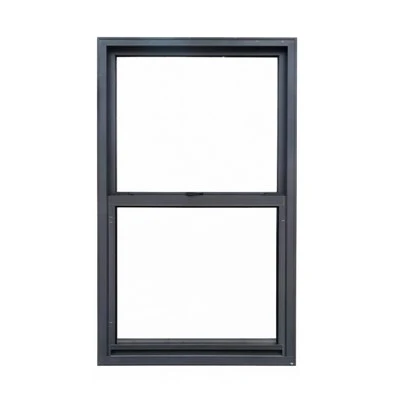
Let’s cut to the chase, no sales fluff here. I’ve been in this game for 12 years, dealing with all kinds of weather, all kinds of customers, and fixing (or replacing) a lot of windows that weren’t built to last. Aluminum windows? They’re not just another pick—they’re workhorses, but there’s a lot of myth and confusion around them, so let’s break it down real good.
First, let’s get the basics right. Aluminum is a metal, right? Pure aluminum is soft, like, super easy to dent if you bump it with a ladder. But that’s not what we use for windows. We alloy it—mix it with stuff like magnesium, silicon, copper—to make it strong, way stronger than plain aluminum. The alloys we use have a tensile strength (that’s how much they can stretch before breaking) similar to mild steel, but way lighter. That’s why aluminum window frames don’t buckle under heavy wind, or sag after 10 years of holding a big double-pane window.
But here’s the big thing people worry about: corrosion. If you’ve ever seen a rusted old steel fence or a chipped iron porch rail, you might think metal windows will fall apart in a few years. Wait until you hear this—aluminum actually corrodes, but it’s not like steel corrosion. When aluminum is exposed to oxygen (which is literally everywhere), it forms a super thin, super tight layer of aluminum oxide on the surface. Like a skin. This layer is only a few atoms thick, but it’s impenetrable. It seals the metal underneath, so no more oxygen or water can get in to cause damage. That’s why aluminum doesn’t rust—not like steel, anyway. The oxide layer doesn’t flake off, so it keeps protecting the metal forever, basically.
I’ve seen aluminum windows go through some crazy stuff. Last year, a guy from a coastal town in Florida called me up, his house is 15 years old, and his aluminum windows looked just like new. He had hurricane after hurricane, salt air blowing nonstop, even a few palm branches scratching the frames. No rust, no pitting, no dents that went deep enough to worry about. Compare that to his neighbor’s old vinyl windows that started cracking after 5 years, or the steel patio door frame that rusted so bad it had to be replaced in 8 years. Coastal areas are the toughest test, and aluminum crushes it there.
But wait, what about that “oxidation” people sometimes talk about for aluminum windows? Oh right, that’s just the oxide layer, but if you see a white powdery stuff, that’s usually not the aluminum itself. That’s from a bad powder coat or paint job. Here’s the thing—if you get a cheaply coated aluminum window, the paint or powder can peel, chip, or fade over time, exposing the oxide layer underneath. That’s when it might look dirty, but it’s not actually rotting. Good quality finishes, though—like the industrial-grade powder coat we use—are baked on at 400+ degrees, so they bond really tight to the alloy. We tested our window frames in a salt spray chamber for 2,000 hours (that’s like 20 years of coastal exposure, just to speed it up) and no peeling, no fading, no oxide exposure. So if you get a quality coated aluminum window, that powder coat is your guard.
What about other types of damage? Like dents or scratches? Let’s be real, no window is indestructible. A baseball flying at 90 mph can dent anything. But aluminum’s dent resistance is actually pretty good for a window frame. It’s more flexible than vinyl or fiberglass, so if something hits it, it bends a little instead of cracking or shattering. And if you do get a scratch? It’s not a big deal. Unlike steel, a scratch on aluminum doesn’t turn into a rust spot. The oxide layer will just re-form right over the scratch, so no long-term damage. I’ve had customers with garage doors (same alloy, same logic) that have scratches from cars and bikes, and they’re still working perfect after 20 years.
Now, let’s talk about real-world lifespan. A lot of window companies will throw out “50 years!” as a number, but that’s marketing. Our data—we’ve been tracking our installations for 10 years now—says the average aluminum window we sell still works as good as new after 30 to 40 years. Compare that to vinyl, which usually needs replacing every 20 to 30 years, unless it’s the really fancy stuff, or wood, which rots, warps, and needs painting every few years. Wood windows might last 40, but only if you maintain them like crazy. Aluminum? Once it’s installed and finished, you barely have to do anything. Wipe it down with a damp cloth once a year, that’s it. No sanding, no repainting, no sealing. That’s a huge plus for people who hate home maintenance.
Wait, but what about thermal performance? I know that’s a big one—everyone talks about windows keeping your house warm or cool. Some people say aluminum is too conductive, so it lets heat escape. Let’s be honest, that was a problem back in the day, like 50 years ago. Old single-pane aluminum frames were terrible for energy efficiency. But modern aluminum windows fix that. We insert thermal breaks—insulating strips made of polyamide, a strong plastic that’s super good at stopping heat transfer—into the frame. So the outside part of the frame is aluminum, the inside is aluminum, and the middle is that plastic break. That means heat can’t flow through the frame easily. Now a good aluminum window has a U-value (that’s the measurement for how well it insulates) just as good as a top-tier vinyl or wood window. A lot of energy star rated windows are aluminum now, so that myth is totally outdated. I’ve got a customer in Minnesota who installed our aluminum windows 8 years ago, and his energy bills went down 18% that first winter. He was worried about the same conductivity thing, but the thermal break fixed it.
What about heavy use? Opening and closing windows every day, year after year. The hinges and the tracks—those have to hold up, right? We use stainless steel hinges and tracks, because steel is strong and doesn’t rust. The moving parts are lubricated with a special grease that lasts 15 years, so you don’t have to oil them every year. I’ve seen a rental property owner in Chicago that has 40 of our windows, they get opened and closed multiple times a day by tenants, and after 7 years, not a single hinge is broken, not a single track is bent. That’s way better than the cheap plastic parts in most vinyl windows, which usually break after a few years of hard use.
But let’s not sugarcoat anything. There are bad aluminum windows out there, just like bad anything. You know the type: the cheap stuff from the big box store, made with thin aluminum (like 0.02 inches thick, that’s thinner than a soda can), no thermal break, cheap paint that fades in two years. That stuff will look like garbage in 10 years, and maybe even start to flex under wind. But that’s not the aluminum’s fault—that’s a bad product. When we make our frames, we use 0.08-inch aluminum alloy, four times thicker than that cheap stuff. It’s not heavy to carry, but it’s tough.
Another thing people ask: what about extreme weather? I mentioned hurricanes earlier, but what about -20 degree winters in Canada, or 110 degree summers in Arizona? Aluminum doesn’t expand or contract as much as wood, right? Wait, actually, aluminum expands more than wood, but that’s not a problem when you install it right. We pre-engineer the frames to account for temperature changes, so they don’t warp or get stuck in the tracks. In Arizona, we had a customer whose windows went through 120 degree days in the summer, and 30 degree nights in the winter, for 5 years, and they still open and close smooth. No cracking, no gaps that let air in.
So putting this all together: are aluminum windows durable? Yeah, they are, if you get the good quality ones. They don’t rust, they resist dents better than most materials, they barely need maintenance, they last way longer than vinyl or wood if you take care of them, and modern designs fix the old energy efficiency issues.
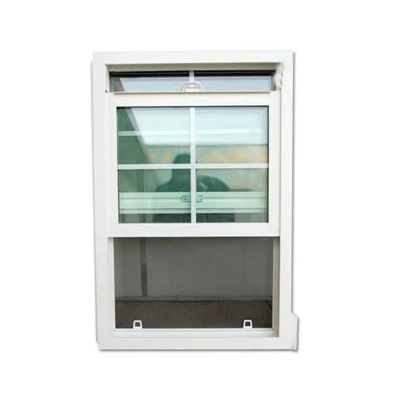
But let’s be clear—they’re not for everyone. If you’re on a super tight budget, and you know you’ll move in 10 years, vinyl might be cheaper upfront. If you love the look of natural wood, and you don’t mind painting every 7 years, go for wood. But if you want something that will last 30+ years, hold up to whatever the weather throws at it, and not give you a ton of work, aluminum is hard to beat.
Aluminum Windows Now, if you’re a homeowner looking to replace old windows, or a contractor needing bulk windows for a new build, I’m here to help. We do custom sizes, different finishes, all the energy ratings you need, and we stand behind our products with a 25-year warranty on the frame and finish. If you have questions about pricing, sizes, or how they’ll work for your specific area, just reach out. No pressure, no sales pitch—just answers.
References
- American Architectural Manufacturers Association. (2020). Performance Requirements for Aluminum Windows, Curtain Walls, and Doors. AAMA 101-20.
- Aluminum Association. (2019). Aluminum in Building and Construction: Durability and Longevity. The Aluminum Association.
- National Fenestration Rating Council. (2021). Window U-Value and Thermal Break Performance Testing. NFRC 100-21.
- Florida Building Commission. (2022). Impact Resistance Testing for Residential Windows in Coastal Zones. FBC 1301.
Wuhu Xupin Architectural Decoration Engineering Co., Ltd.
As one of the most professional aluminum windows manufacturers and suppliers in China, our products have good reputation in the market. Welcome to wholesale bulk aluminum windows in stock here and get quotation from our factory. Customized orders are welcome.
Address: No. 11 Weiba Road, Fangcun Industrial Concentration Zone, Jinghu District, Wuhu City, Anhui Province
E-mail: 13470752088@163.com
WebSite: https://www.xupinwindows.com/
