If you’ve ever stared out at a ship cutting through open water, or watched a fleet of workboats navigate a busy harbor, you might not have noticed the tiny, precise metal components holding every part of that operation together. As a metal stamping parts supplier, I spend most of my days thinking about those components— the small, robust, often overlooked pieces that turn a vision of seaworthiness into a working, reliable vessel. The marine industry is a tough space, after all. Parts here have to survive salt spray, extreme temperatures, constant vibration, and the relentless pressure of being at sea, all while meeting strict safety and regulatory standards that most other industries don’t have to contend with. That’s where metal stamping comes in. It’s not just a manufacturing process for generic car parts or appliance brackets— it’s a backbone of modern marine engineering, and today I want to break down exactly how our stamped parts show up across every corner of the marine world. Metal Stamping Parts
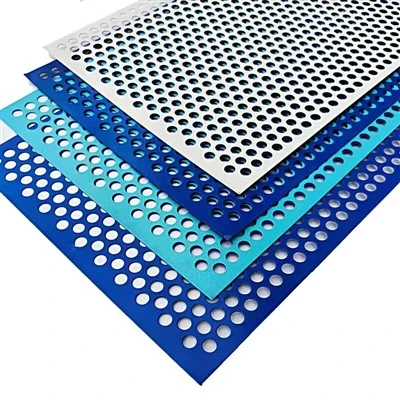
Let’s start with the most visible, and most critical, part of any marine vessel: the hull and its associated systems. The hull has to withstand everything from tiny debris scraping its sides to the enormous force of waves hitting it during a storm. You might think the hull is just a big sheet of metal, but it’s held together, reinforced, and fitted with dozens of smaller, precision-machined parts that make it functional. Stamped steel and aluminum brackets, for example, are used to reinforce the joint between the hull and the deck, a spot that takes constant stress from the motion of the ship. We’ve also made custom stamped gussets for cargo ships that carry heavy containers across the Pacific— those gussets have to be strong enough to hold 10,000 pounds of cargo, but light enough that they don’t add unnecessary weight to the vessel, which would hurt fuel efficiency. For smaller craft, like fishing boats or pleasure yachts, stamped aluminum cleats are a staple. Those cleats, the ones you tie rope to when docking, have to be corrosion-resistant, non-slip, and durable enough to hold a 30-foot boat during a gale. We can stamp them from marine-grade aluminum 5052, an alloy that’s specifically designed to fight saltwater corrosion, and form them with a textured surface that prevents rope from slipping— a small detail that makes a huge difference when a captain is trying to secure their boat in rough conditions.
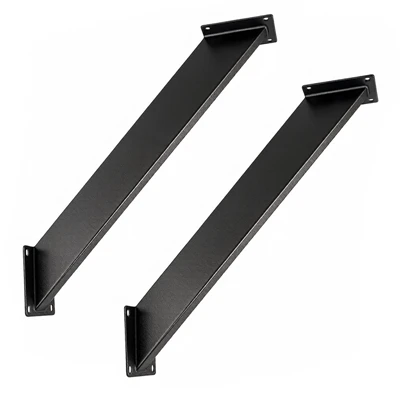
Moving up from the hull to the deck and interior of a vessel, metal stamping parts are everywhere in the mechanical and electrical systems that keep a ship running. Every marine engine, whether it’s a 2-horsepower outboard on a fishing skiff or a 10,000-horsepower diesel engine on a container ship, relies on hundreds of stamped components. Take engine mounts, for example. These are the brackets that hold the heavy engine in place, absorbing the constant vibration that would otherwise shake the engine loose and make for a miserable ride for everyone on board. Stamped steel engine mounts are ideal here because we can engineer them to have a specific level of flexibility— enough to reduce vibration, but enough rigidity to keep the engine aligned. We also make stamped fuel line brackets for the engine room. These brackets have to hold fuel lines in place to prevent leaks, which are not just a maintenance headache but a massive fire risk on a ship. Stamping allows us to create brackets with precise holes that fit standard marine fuel lines perfectly, so they don’t shift over time and cause cracks.
Electrical systems are another huge area for stamped marine parts. Ships have thousands of miles of wiring, powering everything from navigation lights to communication systems to the galley appliances. To keep that wiring organized and protected, we make stamped aluminum and steel cable clamps, ground terminals, and junction box housings. These parts have to be resistant to both corrosion and electrical interference, so we often use zinc plating or passivation to treat the stamped metal. For navigation systems, like GPS receivers or radar units, stamped brackets hold the sensors in place on the mast or bridge. Those brackets have to be able to withstand high winds and salt spray, so we use 316 stainless steel for these applications— an alloy that’s widely considered the gold standard for marine use, thanks to its exceptional resistance to pitting corrosion from saltwater. Last year, we supplied brackets to a marine electronics company for a new line of weather-resistant radar units, and those brackets had to be stamped to a tolerance of less than 0.01 inches— that’s precision that only metal stamping can deliver, especially for high-volume orders that make those units affordable for small boat owners.
If we go beyond large ships and yachts, metal stamping parts are just as critical for the growing marine infrastructure that supports the entire industry. Think of ports, marinas, offshore wind farms, and aquaculture operations— these are all systems that rely on durable, corrosion-resistant metal components, and stamped parts are a big part of that. Offshore wind farms, for example, have exploded in the last decade as the world shifts to renewable energy. Those wind turbines stand in the ocean, hundreds of miles from shore, and their foundation structures, access platforms, and maintenance vessels all use stamped parts. Stamped steel brackets are used to secure the access ladders that workers climb to get to the top of the turbines, and we make custom stamped connectors for the electrical cables that carry power from the turbines back to shore. These parts have to withstand years of exposure to saltwater, UV radiation, and extreme cold, so we use hot-dip galvanized steel for these applications, a process that coats the stamped metal with a layer of zinc that prevents rust even if the coating gets scratched.
Marinas and docking facilities also rely heavily on stamped parts. Slips for boats use floating docks, which are made of concrete or plastic modules held together with metal hardware. Stamped steel hinges and brackets connect those modules, allowing them to move with the tides and waves without breaking. We’ve also made stamped dock cleats for small boat marinas, which are smaller than the ones used on large ships but have to be just as durable. For aquaculture operations, which grow fish and shellfish in ocean pens, stamped stainless steel frames hold the netting in place, and stamped brackets secure the pens to mooring buoys. Those pens can weigh thousands of pounds when full of fish, so the parts holding them together have to be strong enough to handle that load, and corrosion-resistant enough to last for years in saltwater.
One of the most interesting, and fastest-growing, areas for metal stamping in marine is in the recreational marine and small vessel sector. As more people take up boating, fishing, and watersports, manufacturers are looking for ways to make small boats more reliable, affordable, and customizable. Metal stamping is perfect for this because it allows for high-volume production of consistent parts at a lower cost than other manufacturing methods, without sacrificing quality. For example, lightweight aluminum stamped parts are used in small boat trailers, which transport boats from the dealer to the water. Those trailers have to be strong enough to hold a 20-foot boat, but light enough that a standard vehicle can tow it— stamped parts let us make brackets, fenders, and wheel mounts that are both strong and lightweight. We also make custom stamped parts for aftermarket upgrades, like kayak racks, fishing rod holders, and mount points for speakers or coolers on small fishing boats. These parts are often made to fit specific models of boats, so precision stamping is essential to ensure they line up correctly and don’t wiggle loose while moving.
But wait— it’s not just about making parts that are strong and corrosion-resistant. The marine industry also has strict environmental regulations, and as a metal stamping supplier, we have to adhere to those standards too. Saltwater is tough on metal, but some marine parts have to meet even higher standards because of their proximity to sensitive ecosystems. For example, parts used in aquaculture or near coral reefs can’t leach harmful chemicals into the water, so we use lead-free plating and non-toxic coatings for those applications. We also work closely with marine engineers to design parts that are as efficient as possible, reducing the weight of vessels to improve fuel efficiency and lower emissions— a big priority for the shipping industry as it works to meet global climate goals.
Another example of how metal stamping is adapting to modern marine needs is in the emerging electric boat sector. Electric boats are growing in popularity, as they produce zero emissions and are quieter than traditional gas-powered vessels. Those boats have batteries, motors, and electronic systems that require a lot of specialized metal components. Stamped aluminum battery trays, for example, are used to hold the heavy lithium-ion batteries that power electric boats. Aluminum is light, which helps extend the range of the boat, and stamping allows us to create trays that are lightweight but rigid enough to protect the batteries from impact. We also make stamped heat sinks for the motor and battery systems, which dissipate heat to prevent overheating— a critical function for electric vehicles, including boats. As more marine manufacturers shift to electric power, the demand for these custom stamped parts is only going to grow.
Working in metal stamping for the marine industry, I’ve seen firsthand how a small, stamped part can have a huge impact. Last year, we had a client who builds custom sportfishing yachts, and they were struggling with their anchor roller brackets. The original brackets they were using were bending under the weight of a large anchor, and they were having to replace them every few months. We redesigned the bracket using our stamping process, using thicker marine-grade stainless steel and adding a reinforced rib that we could stamp right into the part, without adding extra weight. The new brackets not only didn’t bend, but they were 30% cheaper to produce than the old ones, and the client hasn’t had to replace a single one in over a year. That’s the kind of result that makes this work worth it— solving real problems for people who rely on their boats for their livelihood or their recreation.
Of course, there are challenges to working in marine metal stamping. The process has to be precise, because even a small defect in a part can lead to safety issues at sea. We have to test every batch of stamped parts for corrosion resistance, tensile strength, and dimensional accuracy, to make sure they meet the standards set by organizations like the International Maritime Organization (IMO) and the American Bureau of Shipping (ABS). No two marine projects are exactly alike, either— a stamped part for a container ship is very different from one for a small pleasure boat, and a part for an offshore wind turbine is different from one for an aquaculture pen. That’s why flexibility is key, both for us as a supplier and for our clients: we work closely with engineers to design custom stamped parts that fit their specific needs, whether they need a few hundred parts for a small boat manufacturer or tens of thousands for a major shipbuilder.
If you’re in the marine industry— whether you’re a shipbuilder, a marina operator, an electronics manufacturer, or a recreational boating brand— you know that the success of your operation depends on the quality of your components. The marine environment is unforgiving, and cutting corners on parts can lead to costly repairs, safety risks, and lost revenue. Metal stamping is a proven, reliable manufacturing process that has been used in marine applications for decades, and it’s only getting more advanced with new materials and technologies. Our team has the experience, the equipment, and the commitment to quality to supply the stamped metal parts you need, tailored to your exact specifications and tested to stand up to the harshest conditions at sea. We’d love to talk to you about your project, answer any questions you have, and show you how our stamped parts can help make your vessels, infrastructure, or products stronger, safer, and more efficient. Reach out to us today to schedule a consultation and learn more about how metal stamping can support your marine operations.
Industrial Ancillary Metal Parts References
- International Maritime Organization. (2022). Maritime Safety Committee Resolution MSC.1/Consolidated.1: International Code for the Construction and Equipment of Ships (SOLAS).
- American Bureau of Shipping. (2023). Guide for Materials and Welding, Part 2: Metal Materials for Marine Applications.
- Metal Stamping Association. (2021). Marine Grade Stamping Materials: Corrosion Resistance and Performance Standards.
- Offshore Wind Manufacturers Association. (2022). Components Specification for Offshore Wind Turbine Foundations and Auxiliary Structures.
- National Marine Manufacturers Association. (2023). Recreational Marine Industry Component Performance and Safety Standards.
Changzhou Detong Metal Products Co., Ltd.
As one of the most professional metal stamping parts manufacturers and suppliers in China, we also support customized service. Welcome to wholesale bulk high quality metal stamping parts in stock here from our factory. If you have any enquiry about cooperation, please feel free to email us.
Address: No.2 Xinsheng Road, Henglin Town, Wujin District, Changzhou City, Jiangsu Province
E-mail: detong18@outlook.com
WebSite: https://www.cn-detong.com/
