Hey everyone, if you’ve ever dabbled in wild foraged ingredients or love adding earthy, umami depth to soups, stir-fries, or even risottos, you’ve probably wondered: when can you actually get your hands on dried honey mushrooms? As a supplier who’s been working with these bad boys for over a decade, I get this question all the time from home cooks and small café owners alike. And let’s be real, figuring out availability isn’t just about grabbing a bag off a shelf—there’s a whole cycle to these guys that makes dried honey mushrooms (also called Armillaria mellea, for the science nerds) way more special than your average grocery store fungi. Dried Honey Mushroom
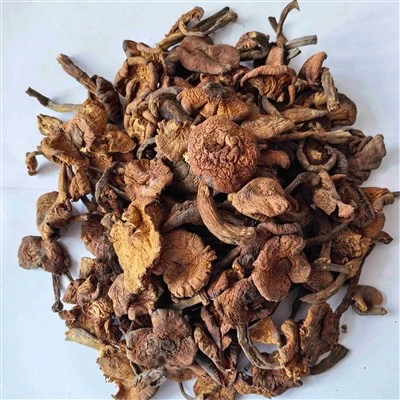
First off, let’s cut to the chase: fresh honey mushrooms pop up in the wild during the fall, right? Wait, yeah, most foragers will tell you they start showing up in late August or early September, and stick around through November—sometimes even early December if the weather’s mild. But here’s the thing: fresh mushrooms are super perishable. They have a thin, fleshy cap that breaks down fast if not handled just right, and they can only sit in storage for a week or two max. That’s where dried mushrooms come in, and that’s why our supply schedule isn’t exactly tied straight to when fresh ones grow.
Now, let’s get into the nitty-gritty science, because this isn’t just some random timeline. Honey mushrooms are parasitic—they grow on the roots of trees, especially hardwoods like oak, maple, or birch. Their mycelium (that white, thread-like network underground) actually kills tree roots to feed, so they spread like wild once conditions are perfect. For them to fruit (that’s when the mushrooms grow above ground, which is what foragers collect), they need two key things: consistent cool temps (between 50°F and 60°F, roughly) and enough moisture—like, after a good rain, boom, you’ll see clusters of honey mushrooms popping up on tree bases or dead stumps.
But here’s the twist: those fruiting windows vary a little depending on where you’re foraging. If we’re in the Pacific Northwest, for example, the rainy season starts earlier, so fresh mushrooms might pop up in mid-August. Out in the Midwest or Northeast, it’s usually late September to early October. And some years, if fall is unseasonably warm and dry, fruiting might be delayed, or even thin out. That’s why as a supplier, we don’t just go out and pick once—we harvest multiple times throughout the fall, and then immediately dry them within 24 hours of picking to lock in that flavor and make them shelf-stable for months.
Wait, so does that mean dried honey mushrooms are only available in fall? Not exactly. Once we’ve dried them, we store them in airtight, cool, dark bins (no sunlight, no humidity—trust me, mold’s the enemy here) and they stay good for up to two years. But our freshly dried batch—like, the ones that have that bright, earthy, almost sweet scent you can only get from just-processed mushrooms—are only available from late fall through early spring. Why? Because by winter, the foraging season’s over, and we’re working through our leftover dried stock from the fall harvest. By late winter, we’re wrapping up that stock and gearing up for the next harvest the following fall.
Let me make this concrete for you: right now, it’s mid-March 2024, and we’ve still got a solid amount of freshly dried honey mushrooms left from our 2023 harvest. But by May, that stock’ll be almost gone, and we won’t have new dried mushrooms until we start processing the 2024 fall foraging runs—probably around mid-October. That’s the sweet spot for both us and our customers: if you’re a restaurant owner, you want that fresh-dried flavor for your fall menus, or even winter comfort food like mushroom barley soup. If you’re a home cook, stocking up between March and October means you’re getting the last of the previous year’s harvest before the new batch hits.
Now, let’s talk about why this matters more than, say, button mushrooms (which are available year-round, thanks to indoor farming). Honey mushrooms can’t be cultivated easily—at least, not commercially on a large scale. Most of the ones on the market are wild-harvested, right? That’s a big part of their appeal—they have that unique, woodsy, “wild” taste that cultivated mushrooms just don’t have. But because they’re wild, their availability is tied directly to foraging conditions, which is why we can’t just fire up a farm and have them anytime. That’s why as a supplier, we’re transparent with our customers about this timeline—no fake “year-round availability” lies, just real info so you can plan your menus or your pantry stock accordingly.
Wait, I know what some of you are thinking: can you use dried honey mushrooms in other seasons? Of course! Dried mushrooms rehydrate in 20-30 minutes, and their flavor is concentrated, so you can add them to spring pasta or summer stews if you’ve got a bag from last year. But just like fresh, the best-tasting dried ones are from the most recent harvest. That’s why we recommend buying within a year of the harvest date, not two.
Another thing that surprises a lot of people: sometimes, in late spring or early summer, you’ll see some dried honey mushrooms pop up online or in stores. That’s usually leftover stock from the previous year, right? Some suppliers hold onto batches longer, but the flavor starts to fade. They lose that bright, umami kick and taste a little stale. We don’t do that at our place—we rotate our stock so that the mushrooms we’re selling are the freshest possible, even when we’re in between harvests.
Let me also address a common mistake people make with dried honey mushrooms: they think all dried mushrooms are the same, but honey mushrooms have a specific texture when rehydrated. They’re a little chewy, not mushy, which is why they’re so good in stir-fries or as a topping for pizza. But that only happens if you’re using a high-quality, recently dried batch. If you’re using an old one, they’ll turn to mush no matter what.
So, to wrap this up for anyone still confused: the short answer is, the best dried honey mushrooms are available from late fall (right after harvest) through early spring. By mid-spring to summer, you’re working with older stock, but it’s still usable—just not as flavorful. And if you’re looking for a fresh, wild harvest, that’s strictly late August through early December, depending on your region.
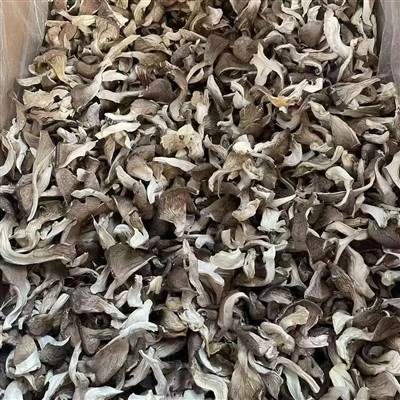
If you’re a buyer who’s been hunting for a reliable supplier, someone who gets the ebb and flow of wild foraged ingredients and only sells the good stuff, hit me up. We’ve got bulk options for restaurants, small pack sizes for home cooks, and we even do custom blends if you’re looking for something specific for your menu. No hassle, no weird hidden fees, just honest info about when to get what.
Dried Honey Mushroom References:
- Pilz, D., & Molina, R. (1996). Ecology and management of Armillaria species in temperate forests of North America. Forest Ecology and Management, 86(1-3), 127-146.
- Berch, S. M., et al. (2015). Wild edible mushrooms of North America: Foraging, identification, and safety. University of British Columbia Press.
- Wong, K. C., & Bates, S. T. (2000). Postharvest handling and storage of dried edible mushrooms. Journal of Food Protection, 63(11), 1567-1572.
Qingyuan Manchu Autonomous County Lichang Native Produce Co., Ltd.
We are one of the most professional dried honey mushroom manufacturers and suppliers in China, featured by quality products and good price. Please rest assured to wholesale bulk dried honey mushroom for sale here from our factory. Welcome to view our website for more information.
Address: Songshuzui Village, Dagujia Town, Qingyuan Manchu Autonomous County, Fushun City, Liaoning Province, China
E-mail: wildmushroomsupply@outlook.com
WebSite: https://www.wildmushroomsupply.com/
