Installing a ball valve is a crucial task in many plumbing and industrial applications. As a ball valve supplier, I’ve encountered numerous customers with questions about the installation process. In this blog, I’ll share a comprehensive guide on how to install a ball valve, covering everything from the tools you’ll need to the final testing steps. Ball Valve

Tools and Materials Required
Before you start the installation, gather the necessary tools and materials. Here’s a list of what you’ll typically need:
- Ball Valve: Choose the right ball valve for your application. Consider factors such as the valve size, material, pressure rating, and end connections.
- Wrenches: Depending on the type of connections, you’ll need adjustable wrenches, pipe wrenches, or socket wrenches. Make sure they are the appropriate size for your valve and pipes.
- Pipe Cutter: If you need to cut the pipes to fit the valve, a pipe cutter is essential. There are different types of pipe cutters available, such as manual and power cutters.
- Thread Sealant: For threaded connections, use a high-quality thread sealant to prevent leaks. Teflon tape or pipe dope are common choices.
- Safety Equipment: Wear safety glasses, gloves, and appropriate clothing to protect yourself during the installation process.
Step-by-Step Installation Guide
Step 1: Turn Off the Supply
The first and most important step is to turn off the supply of fluid or gas to the system. This could be a water main shut – off valve for a plumbing system or a gas valve if you’re working with a gas line. Make sure to relieve any pressure in the system by opening a downstream valve to allow the fluid or gas to escape.
Step 2: Prepare the Pipes
- Cut the Pipes: If the existing pipes need to be shortened to fit the ball valve, use a pipe cutter to make a clean, straight cut. Measure the length carefully to ensure a proper fit.
- Deburr the Pipes: After cutting, use a deburring tool to remove any rough edges or burrs from the inside and outside of the pipes. This will help prevent leaks and ensure a smooth connection.
- Clean the Pipes: Use a clean cloth to wipe the pipes and remove any dirt, debris, or grease. This will improve the adhesion of the thread sealant.
Step 3: Apply Thread Sealant (for Threaded Connections)
- If your ball valve has threaded connections, apply the thread sealant to the male threads of the pipes. For Teflon tape, wrap it around the threads in a clockwise direction, making sure to cover the entire threaded area. For pipe dope, apply a thin layer evenly over the threads.
Step 4: Connect the Ball Valve
- Threaded Connections: For threaded ball valves, carefully screw the valve onto the pipes by hand until it is snug. Then, use a wrench to tighten the connection further, but be careful not to over – tighten, as this can damage the threads and cause leaks.
- Flanged Connections: If the ball valve has flanged connections, align the flanges of the valve with the flanges of the pipes. Insert the bolts through the holes in the flanges and tighten the nuts using a wrench. Make sure to tighten the bolts evenly to ensure a proper seal.
- Soldered Connections: For soldered ball valves, clean the ends of the pipes and the valve connections. Apply flux to the surfaces and heat the joint with a torch. Once the joint is hot enough, add solder to the joint until it fills the gap between the pipe and the valve.
Step 5: Secure the Valve
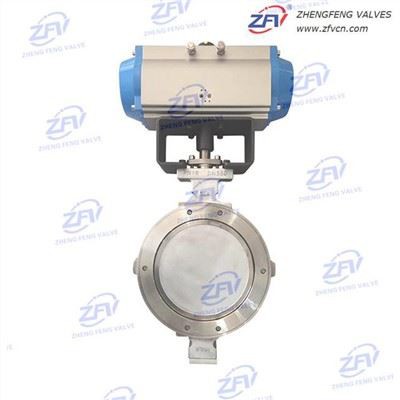
After connecting the ball valve, make sure it is securely in place. Check for any signs of looseness or misalignment. If necessary, use additional support brackets or clamps to hold the valve in position.
Step 6: Test the Installation
- Turn On the Supply: Slowly turn on the supply of fluid or gas to the system. Check for any leaks at the valve connections. If you notice any leaks, turn off the supply immediately and tighten the connections further or re – apply the thread sealant.
- Operate the Valve: Open and close the ball valve several times to ensure it is functioning properly. Check for any resistance or unusual noises during operation.
Common Mistakes to Avoid
- Over – Tightening: As mentioned earlier, over – tightening the connections can damage the threads or the valve itself. Follow the manufacturer’s recommendations for the proper torque.
- Incorrect Thread Sealant Application: Using too much or too little thread sealant can lead to leaks. Make sure to apply the sealant evenly and in the correct amount.
- Not Cleaning the Pipes: Dirt and debris on the pipes can prevent a proper seal. Always clean the pipes before installing the valve.
- Ignoring Safety Precautions: Working with fluid or gas systems can be dangerous. Always wear appropriate safety equipment and follow safety procedures.
Conclusion
Concentric Butterfly Valve Installing a ball valve is a relatively straightforward process if you follow the proper steps and use the right tools. As a ball valve supplier, I understand the importance of a correct installation to ensure the long – term performance of the valve. If you have any questions or need further assistance with your ball valve installation, don’t hesitate to reach out. Our team of experts is here to help you choose the right valve for your application and provide guidance on the installation process. Whether you’re a professional plumber or a DIY enthusiast, we can offer the support you need to get the job done right. Contact us today to discuss your ball valve requirements and start your installation project with confidence.
References
- "Plumbing Handbook" by John Doe
- "Industrial Valve Installation Guide" by Jane Smith
- Manufacturer’s Installation Manuals for Ball Valves
Zhejiang Zhengfeng Valve Co., Ltd.
We’re well-known as one of the leading ball valve manufacturers and suppliers in China. With abundant experience, we warmly welcome you to buy bulk advanced ball valve from our factory. If you have any enquiry about cooperation, please feel free to email us.
Address: Hengtong Road, Wuxing Industrial Park, Wenzhou, Zhejiang, China. 325105
E-mail: sales@zfvalve.com
WebSite: https://www.zfvcns.com/
