Hey there! I’m a supplier of tubular towers, and today I wanna chat about the noise levels around these structures. Tubular towers are pretty common in various industries, like telecommunications, power transmission, and even some industrial setups. They’re sturdy, reliable, and play a crucial role in keeping our modern world connected. Tubular Tower
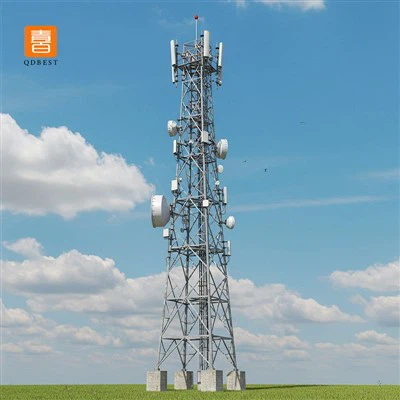
First off, let’s talk about what causes noise around tubular towers. One of the main sources is the wind. When the wind blows against the tower, it creates a phenomenon called vortex shedding. This is when the wind forms swirling patterns, or vortices, behind the tower. These vortices can cause the tower to vibrate, and that vibration can produce noise. The intensity of this noise depends on a few factors, like the speed of the wind, the shape and size of the tower, and the materials it’s made of.
For instance, if the wind is blowing at a high speed, the vortices will be stronger, and the resulting noise will be louder. A taller and wider tower will also create more significant vortices compared to a smaller one. And the material of the tower matters too. Metal towers, for example, tend to be more rigid and can transmit vibrations more efficiently, which might lead to more noise.
Another source of noise is the equipment installed on the tower. In the case of telecommunications towers, there are usually antennas, transmitters, and other electronic devices. These devices can generate electrical noise, which can be audible if the equipment is not properly shielded. Additionally, the cooling fans used to keep the equipment at a stable temperature can also produce a humming sound.
In power transmission towers, the electrical current flowing through the conductors can create a buzzing or humming noise. This is known as corona discharge, which occurs when the electric field around the conductors is strong enough to ionize the air. The ionization process produces a faint glow and a characteristic hissing or buzzing sound.
Now, let’s discuss the impact of these noise levels. For people living or working near tubular towers, excessive noise can be a nuisance. It can disrupt sleep, cause stress, and even affect concentration. In some cases, long – term exposure to high – level noise can lead to hearing loss.
But don’t worry! There are ways to manage and reduce the noise levels around tubular towers. One approach is to design the tower in a way that minimizes vortex shedding. Engineers can use aerodynamic shapes, like streamlined cross – sections, to reduce the formation of vortices. They can also add dampers to the tower to absorb the vibrations and reduce the noise.
For the equipment on the tower, proper insulation and shielding can help reduce electrical noise. Using high – quality, low – noise components and ensuring regular maintenance can also make a big difference. In the case of power transmission towers, adjusting the voltage and spacing of the conductors can help reduce corona discharge and the associated noise.
As a tubular tower supplier, I understand the importance of keeping noise levels in check. That’s why we work closely with our engineering team to design and build towers that are not only strong and reliable but also quiet. We use the latest technology and materials to minimize noise generation and ensure that our towers meet the highest standards of environmental friendliness.
If you’re in the market for tubular towers, whether it’s for a telecommunications project, a power transmission line, or an industrial application, you need to consider the noise levels. You don’t want to cause any disruptions to the surrounding environment or the people living nearby.
Our company offers a wide range of tubular towers, and we can customize them to meet your specific needs. We have a team of experts who can help you choose the right tower design and equipment to minimize noise. We also provide installation and maintenance services to ensure that your tower operates smoothly and quietly.
So, if you’re interested in learning more about our tubular towers or have any questions about noise levels, don’t hesitate to reach out. We’re here to help you make the best decision for your project. Whether you’re a small business looking for a single tower or a large corporation planning a major infrastructure project, we’ve got you covered.
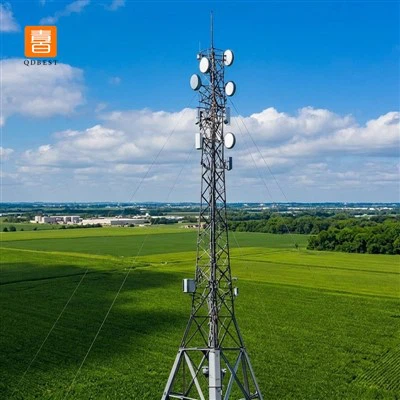
In conclusion, noise levels around tubular towers are an important consideration. With the right design, equipment, and maintenance, we can keep these noise levels under control and ensure that our towers are a positive addition to any environment. So, if you’re thinking about purchasing tubular towers, give us a call or drop us an email. Let’s have a chat and see how we can work together to meet your needs.
Telecommunication Tower References:
- "Wind – Induced Vibration of Structures" by Alan G. Davenport
- "Electrical Noise in Telecommunications Equipment" by John C. Bell
- "Corona Discharge in Power Transmission Systems" by David J. Hill
Qingdao BEST Steel Structure Co., Ltd.
Qingdao BEST Steel Structure Co., Ltd. is one of the most professional tubular tower manufacturers and suppliers in China. We warmly welcome you to buy customized tubular tower made in China here from our factory. If you have any enquiry about OEM service, please feel free to email us.
Address: Jiaobei Industrial Park, Qingdao, China
E-mail: sales@qdbsstower.com
WebSite: https://www.qdbsstower.com/
