If you’ve ever stood on a construction site, a process plant floor, or even a small-town water treatment facility, you’ve probably seen a ball valve. For those of us who’ve spent years as ball valve suppliers, we know these unassuming components are the workhorses that keep fluid systems running smoothly—until they don’t. A stuck valve, a leaky seal, or corrosion can halt an entire operation, costing thousands in downtime and repairs. I’ve fielded hundreds of calls from customers panicking over a valve failure that could’ve been avoided with simple, consistent maintenance. Today, I want to share what I’ve learned over two decades in this industry about how to maintain a ball valve, straight from the supplier’s playbook. Ball Valve
First, let’s get one thing clear: not all ball valves are the same. A 2-inch brass ball valve for a residential irrigation system has very different maintenance needs than a 12-inch stainless steel trunnion-mounted valve for a chemical processing plant. That’s why the first rule of ball valve maintenance is to know your valve inside and out. Before you do anything else, pull out the original technical specs from your supplier—we always include a maintenance guide with every shipment, but if you misplace yours, most reputable suppliers (myself included) will send a copy for free, no questions asked. Note the material of the body, ball, stem, and seals; the pressure and temperature ratings it’s designed for; and whether it’s a full-port or reduced-port valve. Skipping this step is like changing the oil in your car with the wrong viscosity oil—you might think you’re doing good, but you could be causing more harm.
Let’s start with the basics: regular visual inspections. This isn’t a one-and-done task. For critical valves in continuous operation, you should inspect them at least once a month; for less critical, intermittent-use valves, every quarter works. What are you looking for? First, leaks. Check around the stem, body joints, and seal areas. A single drip might seem trivial, but over time, it can erode components and lead to full failure. Also, watch for signs of corrosion—rust spots, pitting, or discoloration on the valve body, especially if it’s installed in a damp or chemical-rich environment. Another thing to note is the position of the valve. Ball valves are fully open or fully closed, right? Unlike gate valves that can be partially open, operating a ball valve at a partial position causes excessive wear on the ball and seat seals. If you notice the valve is slightly off-center or stuck halfway, that’s a red flag it needs attention.
Next, routine operation tests. Even if your valve is working fine, using it regularly prevents the seals and stems from seizing up. For valves in continuous operation, this step is already part of their daily use, but for valves that sit idle for long periods (like those used in seasonal irrigation systems or emergency shutdown systems), you should operate them through their full range of motion at least every three months. Here’s how to do it right: turn the valve handle slowly—if it’s a gear-operated valve, engage the gear slowly and evenly. If you meet resistance, don’t force it. Forcing a stuck valve can crack the ball, shear the stem, or damage the seat. Instead, try lightly tapping the handle or gear housing with a rubber mallet to loosen any debris that might be lodged between the ball and seat. If it’s still stuck, don’t keep twisting—you’ll need to disassemble it to check for debris, which we’ll cover later.
Lubrication is another key part of maintenance, but it’s a step that’s often overdone or done wrong. Too much lubricant can trap dirt and debris, leading to abrasion of the ball and seat. Too little, and the stem and seals wear out quickly. The right type and amount of lubricant depend on your valve’s materials and application. For most general-purpose ball valves, a food-grade silicone-based lubricant works well, but for high-temperature or chemical applications, you’ll need a lubricant rated for those conditions—again, refer to your valve specs. How to apply it? For stem lubrication: remove the stem packing gland bolt, apply a small amount of lubricant to the stem, and re-tighten the packing gland to the manufacturer’s recommended torque. Never use petroleum-based lubricants on synthetic seals—they can break down the rubber or PTFE over time, leading to leaks. And remember, lubricate only when needed, not on a fixed schedule. If your valve operates smoothly when you test it, you can skip lubrication that cycle.
Now, let’s talk about more in-depth maintenance, which should be done annually for critical valves or every two years for non-critical ones. This is when you disassemble the valve to clean and inspect internal components. First, make sure the system is depressurized and drained—never disassemble a pressurized valve, that’s a safety hazard. Once it’s safe, remove the valve from the line and take it to a clean workspace (dirt and grime are the enemy here). Disassemble the valve step by step: remove the handle, then the stem, then the body, and carefully extract the ball and seat seals. Inspect each component closely: the ball should be smooth, no scratches or pitting. The seat seals (usually PTFE or another plastic) shouldn’t have cracks, tears, or excessive wear. The stem should be free of corrosion or burrs. Any debris you find—sand, scale, old seal material—should be gently cleaned away with a soft brush and a mild solvent (avoid harsh chemicals that can damage components). If there’s minor scoring on the ball, you can polish it with a fine-grit steel wool, but if the scoring is deep, it’s time to replace the ball or even the entire valve.
Seat replacement is one of the most common maintenance tasks, and it’s far cheaper than replacing a whole valve. PTFE seats, the most common type, can wear out from constant use, high pressure, or chemical exposure. When replacing seats, always use genuine OEM (original equipment manufacturer) parts. Generic seats might fit, but they won’t have the same precision as the ones designed for your valve, leading to leaks or reduced performance. We see this all the time: a customer buys a cheap replacement seat, installs it, and within six months, the valve is leaking again. It’s worth paying for OEM parts. When installing new seats, make sure they’re seated properly in the valve body, no gaps or twists, so they create a tight seal when the ball is closed.
Another issue we often help customers with is stem packing problems. The packing around the stem prevents fluid from leaking out along the stem. Over time, packing can harden or shrink, leading to leaks. If adjusting the packing gland bolt doesn’t fix the leak, it’s time to replace the packing. Again, use packing material rated for your application—for high-temperature use, graphite packing is better, while general use works with PTFE packing. When installing new packing, cut it to the right length, fit it around the stem, and tighten the gland bolts evenly, a quarter turn at a time, to avoid damaging the stem.
What about valves that are installed in harsh environments? Valves for marine applications, for example, are exposed to saltwater, which is highly corrosive. For these, we recommend more frequent inspections—monthly instead of quarterly—and using corrosion-resistant materials like 316 stainless steel. Also, applying a protective coating (like a wax-based lubricant) to the external body can help prevent salt buildup and corrosion. For valves in chemical plants, where they’re exposed to acids or solvents, check the seals and body regularly for chemical degradation, and replace components as soon as you see signs of damage.
Don’t forget about installation practices, because even the best maintenance won’t fix a poorly installed valve. When you or your team installs a ball valve, make sure it’s aligned correctly in the pipe, not forced into place. Excess stress from misalignment can warp the valve body, leading to leaks. Also, use the correct pipe gaskets and don’t over-tighten the flange bolts—too much torque can crack the valve body. We always tell customers: install the valve right first, and maintenance will be much easier later.
Now, let’s address some common mistakes we see from customers. First, ignoring small leaks. A drip today becomes a flood next week. Second, forcing a stuck valve. That’s a fast track to valve failure. Third, using the wrong lubricant. We can’t stress this enough—petroleum-based lubricants will eat through synthetic seals. Fourth, skipping disassembly for cleaning. Even if you operate the valve regularly, debris can build up over time and cause wear. Fifth, using generic replacement parts. OEM parts are designed to fit and perform, generic ones aren’t.

As a ball valve supplier, our goal isn’t just to sell you a valve—it’s to make sure it works for years. That’s why we’re always here to answer maintenance questions, send technical guides, or help you source the right parts. If you have a fleet of valves that need a maintenance plan, we can work with you to create a customized schedule based on your application and operating conditions. Whether you need a replacement seal, a full valve overhall, or just advice on how to care for your existing valves, our team is ready to help.
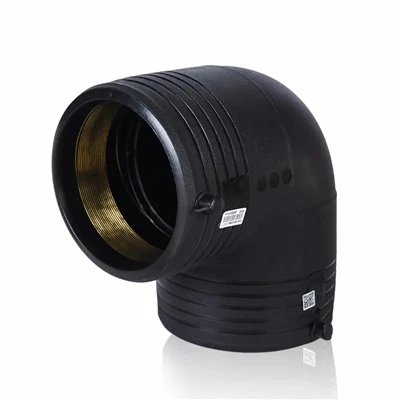
Electrofusion Fittings If you’re looking to optimize your fluid system’s performance, reduce downtime, and extend the life of your ball valves, reach out to our team to discuss your needs. We’ll help you identify the right maintenance routine, source high-quality parts, and answer any questions you have about ball valve care. Don’t wait until a valve fails—proactive maintenance saves time, money, and stress in the long run.
References
- Miller, J. (2019). Ball Valve Maintenance Best Practices for Industrial Fluid Systems. Valve Technology Journal, 45(2), 18-25.
- Smith, L. (2021). Material Compatibility and Lubrication for Ball Valves in Extreme Operating Environments. Journal of Industrial Components Engineering, 12(4), 92-101.
- National Fluid Power Association. (2020). Standard Guide for Maintenance of Process Ball Valves. NFPA Publication 3.14.
Yuyao Aoshi Hydraulic Components Manufacturing Co., Ltd.
As one of the most professional ball valve manufacturers and suppliers in China, we’re featured by quality products and good service. Please rest assured to wholesale ball valve in stock here and get quotation from our factory. Customized orders are welcome.
Address: Huilong village, Zhangting town, Yuyao city, Zhejiang province, China.
E-mail: renxuwei@vip.163.com
WebSite: https://www.jintongtrading.com/
