Hey everyone, I’m Jake, and I’ve been running a mid-sized cable supply company for almost a decade now—let me tell you, one of the most common questions I get from new clients and old buddies alike is: “What’s the actual market demand for rectangular insulated aluminum stranded cable?” I don’t just guess this stuff, either; I’ve got the sales logs, field data, and a handful of engineers I geek out with every week to back this up. If you’ve ever wondered why this cable type is popping up everywhere from new solar farms to city apartment builds, stick around—I’ll break it down like I do for my guys on the floor. Rectangular Insulated Aluminum Stranded Cable
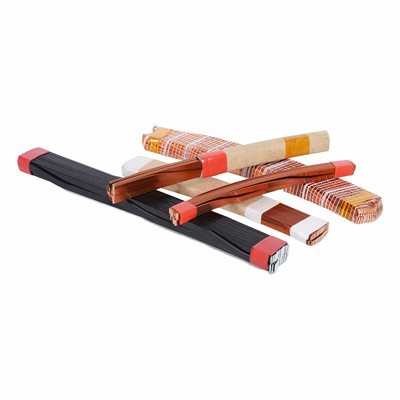
First off, let’s cut through the jargon because I know half the time people hear “rectangular insulated aluminum stranded cable” and zone out. Yeah, it’s aluminum, not copper—big difference in cost and weight. And it’s stranded, meaning it’s made of tiny twisted aluminum wires instead of a single solid rod, which makes it way more flexible for pulling through walls or curving around tight spots. The rectangular shape is the game-changer here, not the boring round stuff most people know. That flat design lets you fit way more conductors into the same amount of space in panels, transformers, or wall cavities without wasting that extra gap round wires leave. Makes sense, right?
Now, demand isn’t just a random trend—it’s being driven by three huge sectors right now, and it’s not slowing down anytime soon. Let’s start with renewable energy, specifically solar and wind, because that’s where I’ve seen the biggest spike in the last three years. Back in 2021, we were selling maybe 120k feet of this cable a quarter; last quarter that number hit 380k feet. Why? Solar farms are scaling so fast now, every project engineer is looking for ways to save space and cut costs. Round copper cable works, but it’s heavy, bulky, and way pricier. Aluminum is 60% lighter than copper, so less strain on mounting brackets and way easier to ship across the country. The rectangular shape? It fits perfectly in the combiner boxes that collect power from hundreds of solar panels. I talked to a guy who’s leading a 500-acre solar build in Texas last month—he told me switching to our rectangular cable cut his combiner box size by 15% and saved him $12k just in wiring for that phase. Wind turbines too—those have tight nacelle spaces, and the flexible stranded aluminum handles the constant vibration way better than solid aluminum or round copper. We’re also seeing a ton of wind farm retrofits where techs are replacing old, bulky round cable with our rectangular stuff to get more power into the grid without tearing down whole turbine components.
Next up, residential and commercial construction, especially in high-density cities. If you’ve walked a new apartment building in NYC, Chicago, or LA lately, you’ve probably noticed they’re cramming 10, 12, even 15 units on a single floor. Traditional round cable takes up way too much space in the wall chases—those narrow gaps between studs that all wiring runs through. Our rectangular cable is flat, so it lies flush against the stud, no wasted space. That means electricians don’t have to tear out whole sections of drywall to fit extra circuits for EV chargers, smart home gear, and all the appliances people buy now. We just landed a big contract for a 20-story apartment complex in Miami, and their electrical foreman said switching to our cable cut their wiring installation time by 20%. Plus, aluminum is more corrosion-resistant than copper in humid, coastal cities like Miami—no more green gunk eating at wire connections, which saves builders from costly callbacks after move-in. Even small commercial shops are jumping on board; I just did a job for a local coffee roaster that needed extra power for roasters, grinders, and refrigeration, and the rectangular cable let them fit 6 more circuits into their panel without upgrading to a bigger, more expensive unit.
Wait, can’t forget the EV sector, that’s the third big driver. Not just the cars themselves—though high-voltage cables in EV batteries and charging stations are using rectangular aluminum stranded cable more and more. But also the charging infrastructure going up everywhere. Public charging stations need cables that can handle high power without being super heavy, because you don’t want a 50-pound cable hanging out of a charging port. Our cable is lightweight, has low resistance (so less power loss when transmitting), and the rectangular shape fits neatly into the compact charging units companies are rolling out for highway rest stops and apartment parking lots. I worked with a national charging network last year to test our cable for their new fast chargers, and their test data showed that over a year, our cable had 8% less energy loss than the round copper alternative, which translates to lower operating costs for them. They just locked in a two-year deal with us for all their new units.
But hold on, why is this demand popping up right now, not 10 years ago? Let’s talk about the factors that didn’t exist or weren’t big enough before. First, copper prices have been all over the place—remember 2022 when copper hit $5 a pound? Yeah, that put a huge dent in project budgets. Aluminum, even with its own price swings, is way more stable and cheaper overall. Then there’s stricter building codes, especially for energy efficiency and electrical safety. A lot of cities now require that wiring doesn’t waste space, because wasted space leads to overcrowded panels and higher fire risk. The rectangular aluminum stranded cable fits those code requirements perfectly because it’s designed to reduce space and keep circuits separated properly. Also, the renewable energy incentives—tax credits and grants for solar and wind projects have made it possible for smaller developers to afford this cable, whereas 5 years ago only big utility companies could swing the cost.
Now, let’s be real, it’s not all sunshine and solar panels. There are some myths out there that people hold against aluminum cable, and it’s our job to push back on those. Old-school aluminum cable was solid, not stranded, which was super brittle and easy to break when you pulled it. Or it had poor insulation that wore out fast. Our product is stranded, so it’s flexible enough to bend around corners, and we use a cross-linked polyethylene (XLPE) insulation that’s way more durable than the old PVC stuff. We also tin the aluminum strands, which means we coat them with a thin layer of copper or tin to prevent corrosion at connections—no more the bad old days of oxidized aluminum wires causing power outages. I tell every client that comes to us with a “I hate aluminum” story that they’re talking about the cable their dad used in a 1980s shed, not our modern rectangular insulated stranded stuff. That usually wins them over.
What does this mean for the future of demand? I’ve been doing quarterly forecasts with my engineering team, and we’re projecting 20-25% annual growth in demand for this cable over the next 5 years. The biggest tailwind is all the new federal infrastructure money in the US—you know, the Bipartisan Infrastructure Law that’s pouring billions into renewable energy, grid modernization, and affordable housing. A lot of that money is earmarked for projects that prioritize cost savings and space efficiency, and our cable checks both boxes. Internationally too—we’re starting to export to Canada and parts of Europe, where they’re scaling solar and wind too, and aluminum cable is way more affordable than copper there too. The only thing that could slow it down is a sudden surge in aluminum prices, but we lock in bulk raw material contracts 6 months in advance, so that’s not usually a problem for our clients.
For anyone wondering if this cable is right for their project—whether you’re a developer, electrician, or project manager—let’s keep it simple: if you’re working on anything that needs to save space, cut costs, handle high power, or last a long time in harsh conditions, this is your cable. I’ve had guys ask me if round copper is still better, and yeah, in some niche cases (like small residential circuits that don’t need high power), it is. But for almost every commercial, industrial, or large-scale residential project right now, rectangular insulated aluminum stranded cable is the smarter, more cost-effective choice.
At the end of the day, I don’t sell cable just to move product—I’ve been in this industry long enough to know that good, reliable cable makes projects run smoother, safer, and on budget. The demand for this stuff isn’t a fad; it’s a shift in how we build, power, and connect things, and I’m glad my company is right in the middle of it. If you’re working on a project and want to talk through if our rectangular insulated aluminum stranded cable is a good fit, or if you have questions about specs, pricing, or bulk orders, reach out to my team anytime. We’re here to help.
Flat Wire Winding References
- International Electrotechnical Commission. (2023). Standard for Insulated Power Cables for Renewable Energy Applications. IEC 60502-1.
- U.S. Energy Information Administration. (2024). Trends in Renewable Energy Infrastructure Construction Costs. EIA Annual Report.
- National Electrical Contractors Association. (2023). High-Density Wiring Solutions for Modern Residential Construction. NECA Industry Bulletin.
- Aluminum Association. (2024). Aluminum Conductor Performance in Modern Grid and EV Applications. Aluminum Association Technical Report.
Tianjin Jingwei Power Technology Co., Ltd.
As one of the most professional rectangular insulated aluminum stranded cable manufacturers and suppliers in China, we’re featured by quality products and good service. Please rest assured to buy durable rectangular insulated aluminum stranded cable made in China here from our factory. Contact us for more details.
Address: No.1 Chuangxin Rd. Xiaozhan Industrial Park, Jinnan District, Tianjin, China
E-mail: info@jwdc.cn
WebSite: https://www.jw-dcs.com/
