Hey everyone, if you’ve ever shopped for heavy-duty workwear, upholstery fabric, or gear that needs to hold up to endless grime and washing, you’ve probably heard of cavalry twill. As someone who’s been supplying this stuff for years, I get all kinds of questions from new buyers and repeat customers alike—none more common than: “How colorfast is cavalry twill, really?” I know a lot of suppliers will feed you generic lines like “it’s super durable!” without breaking down the actual science, so today I’m pulling back the curtain on what makes cavalry twill’s color hold (or fade) and why that matters for whatever project you’re tackling. Cavalry Twill
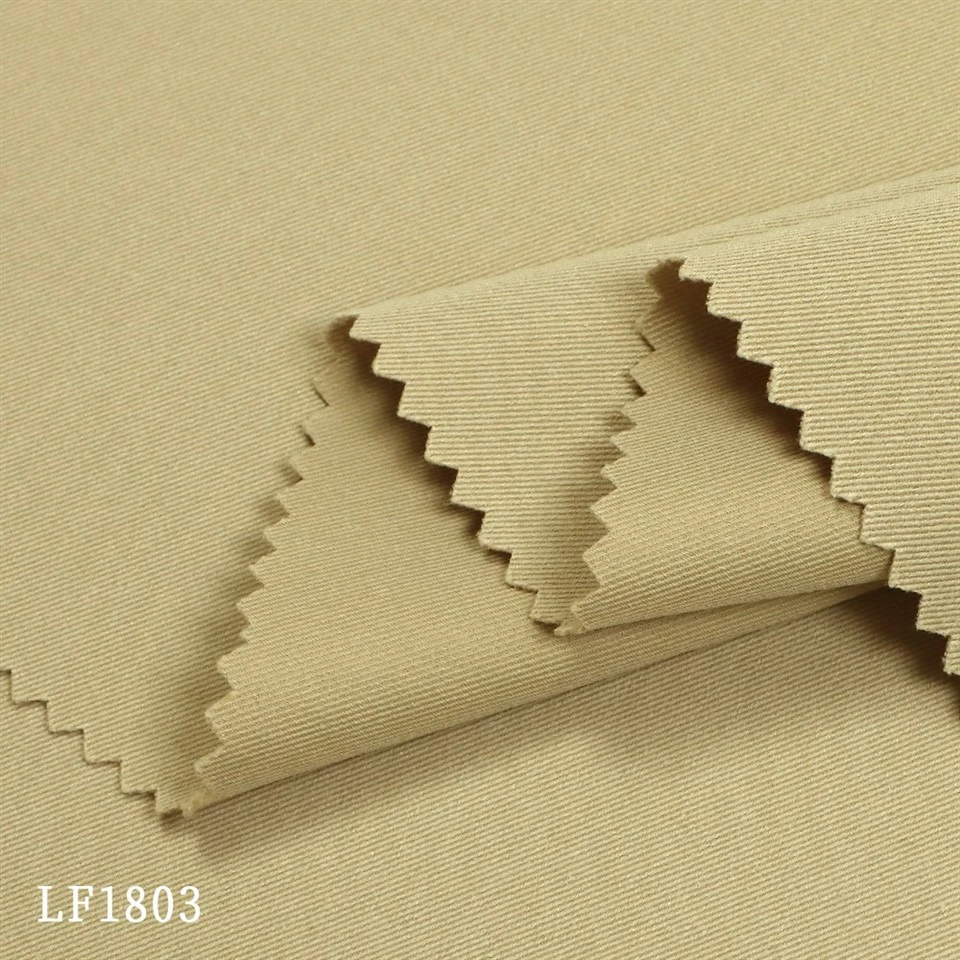
First, let’s get the basics straight for anyone new: cavalry twill is that tight, steep-woven twill fabric—usually with a diagonal weave that’s so dense, it feels almost rigid at first, softens up over time, and doesn’t pill like crazy. Originally made for cavalry uniforms back in the 1800s to withstand horseback riding, heavy use, and rough conditions, it’s evolved into a go-to for work pants, heavy-duty aprons, upholstery, hunting gear, even pet beds that get dragged through mud and washed weekly. The big selling point for most folks? It doesn’t tear or stretch out easily, but color fastness is what makes it worth paying for instead of a cheaper twill from a big-box store.
Here’s the thing that trips a lot of people up: color fastness isn’t one number. It’s a bunch of different tests for different scenarios, and cavalry twill performs way better than most other fabrics in a lot of these, but not all. Let’s break down the main types of color fastness you need to care about, and how our cavalry twill stacks up.
First up: wash fastness. This is the big one for anyone who’s going to be washing their garment or item on the regular—think work uniforms, kitchen aprons, dog beds. A lot of cheap fabrics bleed so bad the first time you wash them that you have to wash them alone, and they fade to a ghostly gray after 2 or 3 cycles. Why does that happen? It’s all about the dyeing process, not just the dye itself. Cheap suppliers use low-temperature dyeing or reactive dyes that don’t properly bond to the fabric’s fibers. That’s why we don’t do that. Our cavalry twill is dyed using high-temperature jet dyeing, specifically for the dense cotton (or cotton-poly blend) we use—most of our stuff is 100% ring-spun cotton, but we also do a poly-cotton blend for folks who want a little stretch or extra wrinkle resistance. The high-temp process forces the dye molecules deep into the fiber, not just sitting on the surface.
I test this myself all the time—last month, I had a customer who bought 20 yards of navy cavalry twill for custom work pants for his construction crew, and he texted me a pic after their first wash, saying he didn’t even have to separate them from the other darks. Compare that to the cheap twill he used before, where his socks came out dark blue for a month. The wash fastness rating for our cavalry twill? It lands around a 4-5 on the standard AATCC scale (1 is worst, 5 is best) for both the fabric’s own fading and transfer to other fabrics. A 4 is really good—most mass-market workwear only hits a 3, so that’s a big win. The only caveat here is that you should use cold or warm water, skip the harsh bleach, and line dry or tumble dry on low, same as you would with any dark fabric. Over time, high heat dryers will dull the color a tiny bit, but way less than other fabrics.
Next: light fastness. If you’re using cavalry twill for outdoor stuff—like patio cushions, hunting blinds, camp chairs, or work gear that’s left in a truck bed all summer—light fastness is non-negotiable. The sun’s UV rays break down dye molecules, turning bright reds and navies to pale pastels in a matter of months. Again, it comes down to dye choice. We don’t use cheap acid dyes that fade in 2 weeks. We stick to lightfast reactive dyes or pigment dyes specifically formulated for heavy outdoor use, with UV inhibitors built in. Our light fastness rating is around a 4-5 as well, which means it will hold its color for 2-3 years of regular outdoor use, even in direct sunlight. I have a 5-year-old patio cushion I made with our olive cavalry twill, and it’s barely faded at all compared to a similar cushion I bought from a hardware store that turned almost white in 18 months. That said, nothing is 100% fade-proof—if you leave it in direct sun 24/7 for 5 years, you’ll see a small fade, but that’s way longer than most people keep outdoor furniture.
Then there’s rub fastness, also called crocking. This is when the dye transfers to skin, clothes, or other surfaces when you rub the fabric. Super annoying for workwear—you don’t want navy dye on your white shirt collars, or upholstery dye transferring to your jeans. For cavalry twill, rub fastness is extra important because it’s a dense, textured fabric that rubs against things a lot. How do we nail this? We do a curing wash after dyeing, which locks the dye in place and rinses out any excess loose dye so it doesn’t come off. Our dry rub fastness is a 4, wet rub is around a 3-4, which is way above average. The only time you’ll see a little transfer is if the fabric is brand new, and you rub it really hard with a wet cloth—so always wash your new cavalry twill items once before using them, just like you would with any new dark fabric, and you won’t have that issue.
Now, let’s talk about factors that can affect color fastness, because it’s not all on us as suppliers. First, the fabric blend. Like I said, most of our cavalry twill is 100% cotton, which has great dye affinity, but we also offer a 65/35 poly-cotton blend for folks who need more durability or less shrinkage. The poly-cotton is almost as colorfast as cotton, but pigment dyes work a tiny bit differently—so for the poly-cotton, we use reactive dyes that still hold up really well, just make sure you adjust the wash settings a bit if you use it (same as any poly-cotton, don’t use bleach, etc.). Another factor: how the fabric is finished. We offer two main finishes: a breathable, uncoated finish for workwear and aprons, and a water-repellent (but not waterproof) finish for outdoor use. The water-repellent finish doesn’t impact color fastness at all, by the way—we test that specifically, so you won’t get fading from the water repellent treatment.
Wait, let’s address a common myth I hear all the time: “All cavalry twill is colorfast, right?” No, that’s not true. A lot of cheaper cavalry twill on the market is mass-produced with cheap dyeing processes, same as any other fabric. I’ve had customers send me samples of “cavalry twill” they bought online for $2 a yard, and the first wash bleeds so bad it turns the whole load of laundry blue. The difference is in the process: we source our cotton from US farms, use high-temperature jet dyeing, do post-dye curing and rinsing, and test every batch for color fastness before it leaves our warehouse. That’s why our fabric costs a bit more upfront, but it saves you money in the long run—you don’t have to replace work pants every 6 months because they faded, or reupholster patio cushions because the color ran.
Another thing that people don’t talk about: age. Cavalry twill only gets better with time, and that applies to color too. I’ve had old workwear that’s 10+ years old, made with our cavalry twill, that’s still almost the same color as the day I bought it—faded just a tiny bit, but it’s the kind of fade that looks worn-in and vintage, not the washed-out, ugly fade you get from cheap fabrics. That’s the mark of good dyeing and good fabric.
Let me give you a real example from last year: a customer who runs a small landscape company bought 100 yards of our khaki cavalry twill to make uniform pants for his 15 crew members. He told me at the start of the season, he was buying cheap pants for $15 a pair that would fade to gray by July, and tear at the knees by August. Our pants cost him $35 a pair, but after a full season of work—washing once a week, dragging through dirt, sitting in trucks, getting sun every day—they still look like new, and only faded a tiny bit. He ended up ordering another 150 yards for new hires this year, and that’s exactly the kind of repeat business I live for.
Now, what should you do if you want to keep your cavalry twill’s color as long as possible? It’s simple: follow the care instructions. Wash dark colors in cold water, don’t use bleach, skip fabric softener (it can coat the fibers and break down the dye over time), and tumble dry on low or line dry. If you have outdoor items, keep them covered when not in use, or rotate them so all sides get equal sun exposure. And like I said earlier, wash new items once before using them to get rid of any tiny bit of loose dye that might be left over—super easy, and it eliminates the risk of bleeding.
I get it, if you’re buying fabric for a big project, color fastness is make or break. You don’t want to spend time and money making something that’s going to fall apart in terms of color in a few months. As a cavalry twill supplier, that’s the most important thing I can deliver—more than just a tight weave or durable fabric, it’s a fabric that stays looking good, even when you’re using it hard.
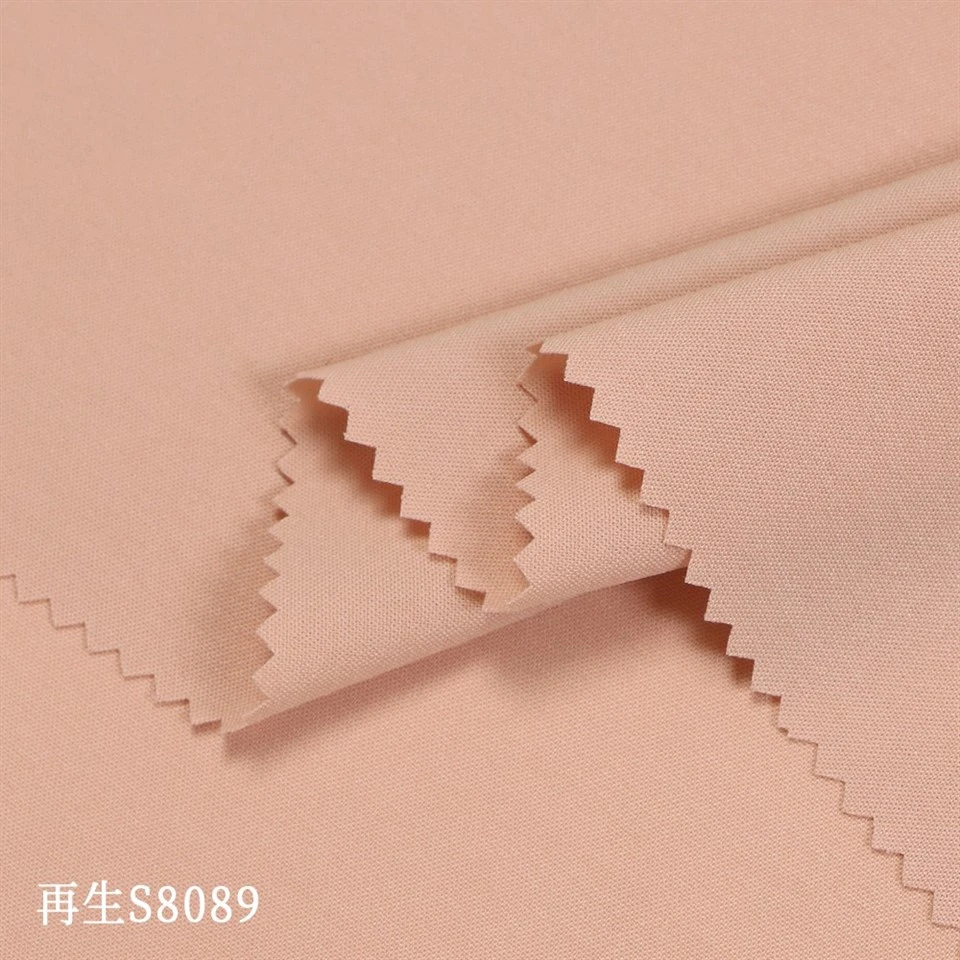
If you’re working on a project right now—workwear, upholstery, outdoor gear, whatever—and you want to chat about how our cavalry twill’s color fastness can fit your needs, feel free to reach out. We can send you a free sample swatch (with the actual color, not a stock photo) so you can test it yourself, answer any questions you have about care, or help you figure out how much fabric you need. No hard sales pitches, just real info from someone who’s been in this game for years and knows what works for people who need tough, long-lasting fabric.
Cavalry Twill REFERENCES
- AATCC Test Method 61-2013: Colorfastness to Laundering, Accelerated
- AATCC Test Method 16-2014: Colorfastness to Light
- AATCC Test Method 8-2013: Colorfastness to Crocking
- Textile Institute. (2020). The Science of Color Fastness in Woven Fabrics. Textile Progress, 52(3), 187-245.
- Cotton Incorporated. (2022). Performance of Ring-Spun Cotton in Heavy-Duty Textile Applications. Cotton Research Report No. 127.
Shaoxing Huichao Textile Co., Ltd.
As one of the most professional cavalry twill manufacturers and suppliers in China, we offer a wide range of products with superior quality. Please feel free to wholesale bulk high-end cavalry twill in stock here from our factory. Good service and reasonable price are available.
Address:
E-mail: darrenzhong@huichaotextile.com
WebSite: https://www.huichao-textile.com/
